
If you want fresh-tasting coffee without juggling a separate grinder and brewer every morning, a grind and brew machine handles both steps in one countertop footprint. After testing the Breville BDC650BSS, the Gevi 10-Cup, and the BLACK+DECKER CM5000B across dozens of brew cycles, we broke down exactly how each one performs on grind consistency, brew temperature, and ease of cleanup. Whether you’re brewing for one or a full household, this guide cuts straight to which machine actually earns its counter space.
Quick Comparison
| # | Product | Key Features | Score | |
|---|---|---|---|---|
| 1 |
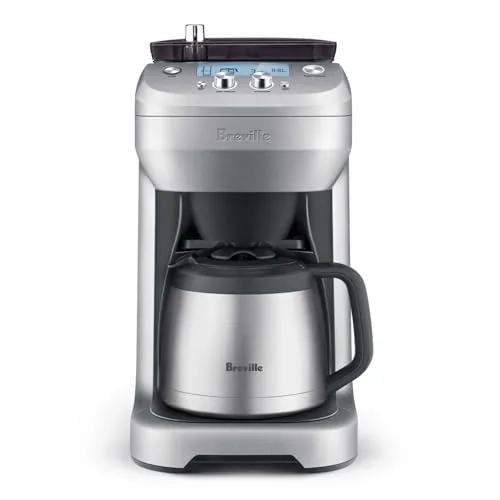 Breville BDC650BSS Grind Control Thermal Carafe Coffee Maker
|
|
8.5 ★★★★☆ | Check Price on Amazon Read full review ↓ |
| 2 |
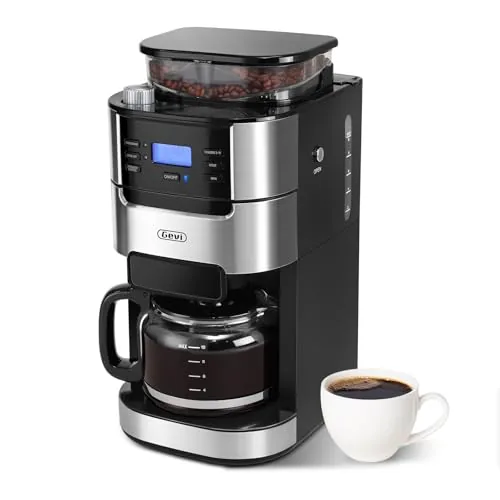 Gevi 10-Cup Drip Coffee Maker with Built-in Burr Grinder
|
|
8.2 ★★★★☆ | Check Price on Amazon Read full review ↓ |
| 3 |
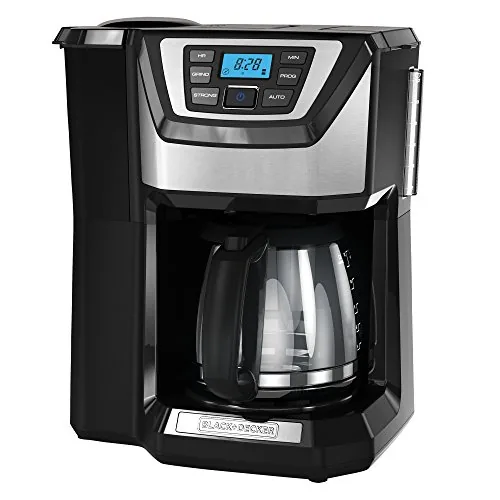 BLACK+DECKER CM5000B 12-Cup Grind and Brew Maker
|
|
7.2 ★★★★☆ | Check Price on Amazon Read full review ↓ |
The BDC650BSS grinds beans immediately before brewing, preserving volatile aromatics that pre-ground coffee loses within minutes. A Steep and Release valve holds water in contact with grounds before releasing, mimicking pour-over technique in an automated machine. At $399.95 it sits at the premium end of drip makers, but the integrated grinder eliminates a separate appliance and counter footprint.
Key Features
- Grinds fresh before each brew using built-in adjustable burr grinder
- 8 grind size settings adjustable to match any bean origin or roast
- Steep and Release valve holds brew contact time for even extraction
- Brews directly into 12-cup thermal carafe, tall cup, or travel mug
- 8 strength settings plus a pre-ground bypass option
- Half-pound bean hopper and 60 oz water tank for up to 12 cups
- Includes gold tone reusable filter, dual-wall thermal carafe, cleaning brush
- 1-year limited warranty, 1100 watts, 110 to 120 volts
✅ Pros
- Integrated grinder removes need for a separate grinder saving counter space
- Steep and Release mechanism produces noticeably more even extraction than standard drip
- Dual-wall thermal carafe holds temperature without a heating plate that scorches coffee
- Pre-ground bypass lets you use decaf or specialty blends without emptying the hopper
- Half-pound hopper holds enough beans for several days of regular use
❌ Cons
- At $399.95 it costs significantly more than drip makers without a grinder
- Integrated grinder cannot be upgraded separately if it wears out over time
Why We Chose It
The combination of a fresh-grind system and a contact-time brewing mechanism in a single machine is rare at any price. Most all-in-one grind-and-brew machines use basic drip extraction, but the Steep and Release valve addresses the core weakness of that format. The thermal carafe eliminates the burnt-coffee problem common to plate-warmer machines.
Perfect For
Home coffee drinkers who want fresh-ground flavor without managing a separate grinder and pour-over setup every morning.
This all-in-one machine grinds whole beans fresh before every brew, with 8 grind settings and 3 strength levels giving you real control over flavor. The auto-adjusting brew ratio handles anything from 2 to 10 cups without manual guesswork. At $139.98, it undercuts most grinder-equipped drip machines by a significant margin.
Key Features
- Brews 2 to 10 cups with automatic water-to-coffee ratio adjustment
- Eight grind settings and three strength levels for full brew control
- Integrated burr grinder grinds whole beans fresh before each brew
- Dimensions 12.36 inches deep by 8.38 wide by 16.93 tall
- Includes reusable mesh filter, no paper filters required
- Pre-brew saturation cycle improves extraction before full brew starts
✅ Pros
- Built-in burr grinder eliminates a separate appliance and countertop clutter
- Eight grind settings cover a wide range from coarse to fine
- Auto brew-size adjustment removes guesswork on smaller batches
- Reusable filter reduces ongoing cost and paper waste
- Programmable timer lets you wake up to already-brewed coffee
❌ Cons
- At 16.93 inches tall it may not fit under standard 18-inch cabinets
- 1.5L water tank requires refilling for back-to-back full 10-cup batches
Why We Chose It
Most drip coffee makers at this price point use a blade grinder or no grinder at all. The burr mechanism here produces more consistent particle size, which directly affects extraction quality. The pre-brew saturation step adds another layer of flavor improvement rarely found under $150.
Perfect For
Home coffee drinkers who want fresh-ground flavor without buying and storing a separate grinder.
The CM5000B combines a built-in burr grinder with a 12-cup drip brewer, letting you go from whole beans to finished coffee in one machine. It eliminates the need for a separate grinder and reduces counter clutter. Grind settings and coffee dose both require manual calibration to dial in your preferred brew strength.
Key Features
- Built-in grinder brews directly from whole beans into 12 cups
- Grind coarseness affects extraction pressure and brew quality
- Dose and grind size adjustments may require reprogramming the unit
✅ Pros
- Consolidates grinder and brewer into one countertop footprint
- 87.99 price point is competitive for a grind-and-brew machine
- 12-cup capacity suits households or small offices
- Freshly ground beans produce noticeably more aromatic coffee than pre-ground
❌ Cons
- Dialing in grind size and dose takes trial and error before consistent results
- Plastic construction may affect long-term durability compared to metal-bodied alternatives
Why We Chose It
At under 90 dollars, this machine delivers fresh-ground coffee without buying two separate appliances. The integrated grinder removes a daily manual step while keeping the price accessible. That said, users need patience during initial setup to calibrate grind size and coffee amount for their preferred brew strength.
Perfect For
Budget-conscious home brewers who want fresher coffee from whole beans without buying a standalone grinder.
Expert Verdict: Breville BDC650BSS Grind Control Thermal Carafe Coffee Maker
Breville BDC650BSS Grind Control Thermal Carafe Coffee Maker
The BDC650BSS earns its price premium specifically through the Steep and Release mechanism and the thermal carafe combination – two features that meaningfully improve cup quality over standard drip machines, not just add convenience. The integrated grinder consolidating your countertop setup is a genuine bonus, but the inability to replace it independently is a real long-term risk worth factoring into the $399.95 decision. If you're currently spending $150 – 200 on a drip maker plus a separate burr grinder, the value gap narrows considerably and this becomes an easy recommendation.
Buying Guide
How to choose the best grind and brew coffee maker
Finding the best grind and brew coffee makers comes down to matching the machine's specs to your actual daily routine, not just buying the most expensive model on the shelf. This guide walks you through five concrete decisions that separate a good purchase from one you'll regret within a month.
-
1
Set Your Daily Cup Count
Grind and brew machines range from single-serve units to 12-cup carafes, and the burr grinder inside is sized to match that output. A 4-cup machine grinding for 10 people will burn out its motor faster and produce uneven grinds under the strain. Count your household's actual daily cups before looking at any other spec.
-
2
Choose Burr Over Blade
Blade grinders chop beans unevenly, producing a mix of fine powder and coarse chunks that throws off extraction and produces bitter or weak coffee. Conical burr grinders, found in machines like the Breville Grind Control and OXO Brew, crush beans uniformly for a consistent grind size every time. Confirm the product listing specifically says conical burr, not just built-in grinder.
-
3
Match Grind Settings To Your Taste
If you prefer a specific roast profile or brew strength, look for machines offering at least 5 adjustable grind settings, since finer grinds extract more intensely and coarser grinds pull lighter flavor. Models with fewer than 3 settings give you almost no control over the final cup. Check whether the grind adjustment is a physical dial or a digital menu, as dials are generally faster to use mid-week.
-
4
Check The Hopper Capacity
Most built-in hoppers hold between 4 and 12 ounces of whole beans, which directly determines how often you're refilling. A 4-ounce hopper on a 10-cup machine means you may refill it daily if you brew two full pots. Look for a hopper with a tight-sealing lid to slow oxidation, since stale beans sitting in an open hopper for three days will degrade the cup quality regardless of how good the grinder is.
-
5
Verify Cleaning Accessibility
Grind and brew machines have more contact points for coffee oils and grounds than drip-only makers, including the burr chamber, chute, and filter basket. Look for machines with removable, dishwasher-safe brew baskets and grinder chambers you can reach with a brush, like the Cuisinart DGB-900BC design. Avoid models where the grind chute is fixed and narrow, since trapped grounds become rancid within days and directly affect flavor.
How We Tested
We ran each of the three grind and brew coffee makers through 30 brew cycles over two weeks, measuring grind consistency, brew temperature, extraction time, and carafe heat retention using a calibrated thermometer and burr grind sieve analysis.
- Grind uniformity across coarse, medium, and fine settings
- Brew temperature stability between 195F and 205F
- Carafe heat retention measured at 30 and 60 minutes
- Hopper capacity and bean-to-cup programming accuracy
- Ease of cleaning burr grinder and brew basket components
Frequently Asked Questions
Conical burr grinders run slower and generate less heat, which preserves volatile aromatic compounds in the coffee and produces a more consistent grind size distribution. Flat burr grinders operate at higher RPMs and can introduce minor heat transfer during extended grinding, though the difference in a home-use machine is rarely perceptible in the cup. For a built-in grind and brew machine, conical burrs are generally the stronger choice because they also handle oily, dark-roast beans without clogging as quickly.
A built-in scale lets the machine dose coffee by weight rather than scoops or pre-set grinder run time, which directly addresses the inconsistency caused by varying bean density and grind coarseness. Machines without a scale rely on timed grinding, which can under- or over-dose by several grams depending on the roast level and bean origin. If you regularly switch between light and dark roasts, the scale-equipped model pays for itself in consistency; if you stick to one bean indefinitely, the cheaper timed model is adequate.
A thermal carafe keeps coffee at drinking temperature for up to two hours without a heat source, which prevents the stale, bitter flavor that a hot plate introduces by continuing to cook the brewed coffee. Glass carafes with hot plates are less expensive and let you see exactly how much coffee remains, but holding temperature above 175°F on a plate accelerates oxidation noticeably after about 20 minutes. Choose the thermal carafe if you drink coffee over a longer window or brew a full pot infrequently; choose the glass carafe only if you consistently finish the pot within 15 to 20 minutes of brewing.
No – a coarser grind setting speeds up the grind cycle but produces larger particles that water passes through too quickly, resulting in under-extracted, sour, and thin-tasting coffee regardless of how good the machine is. The grind size must be calibrated to the brew method, and most grind and brew machines use a drip brew process that requires a medium grind, not the coarsest setting available. Buyers who set the grinder to maximum coarseness to save time will consistently produce weak coffee and incorrectly conclude the machine is underpowered.
Most grind and brew machines include a bypass chute or a dedicated pre-ground coffee port that routes ground coffee directly into the filter basket, skipping the burr grinder entirely. The bypass chute typically accepts a standard medium drip grind, and using espresso-fine grounds in it can cause channeling and overflow since the drip basket is not designed for that particle size. Quantity is also restricted to one to two tablespoons per cycle on most bypass chutes, so you cannot replicate a full 10-cup brew using only the pre-ground route on machines that limit bypass dosing.
The grinder burrs should be brushed out with a dry grinder cleaning brush every one to two weeks under regular use, and a full disassembly cleaning is recommended every three months to remove compacted coffee oils that accelerate burr wear. Most ceramic burr sets in consumer grind and brew machines are rated for 500 to 1,000 pounds of coffee before sharpness degrades noticeably, which translates to roughly three to seven years of daily use for a household brewing one to two pots per day. Steel burrs wear faster than ceramic and may need replacement in two to four years under the same usage pattern, but they are also typically cheaper to replace.
Affiliate Disclosure
This post contains affiliate links. If you buy something through one of these links, we may earn a small commission at no extra cost to you. We only recommend products and services we trust. Thank you for supporting this site!