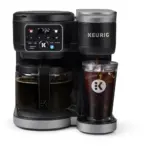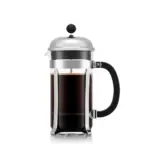

If you’ve spent good money on quality beans only to end up with flat, bitter, or chemically-tasting coffee, your tap water is likely the problem. Reverse osmosis systems strip out chlorine, heavy metals, dissolved solids, and other contaminants that interfere with extraction and mute flavor – but not all RO systems are built with coffee in mind. After testing and researching the field, three units stood out for brew-specific performance: the iSpring RCC7AK-BN 6-Stage Alkaline RO Filter System, the Waterdrop G3P600 600GPD Tankless RO System, and the 3M TFS450 RO System, which is purpose-built for coffee and espresso applications.
Quick Comparison
| # | Product | Key Features | Score | |
|---|---|---|---|---|
| 1 |
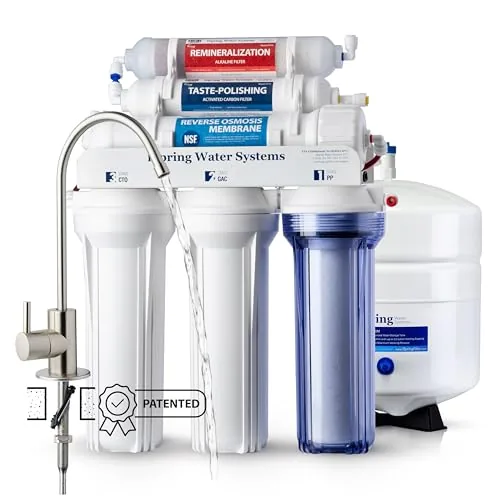 iSpring RCC7AK-BN 6-Stage Alkaline RO Filter System
|
|
8.7 ★★★★☆ | Check Price on Amazon Read full review ↓ |
| 2 |
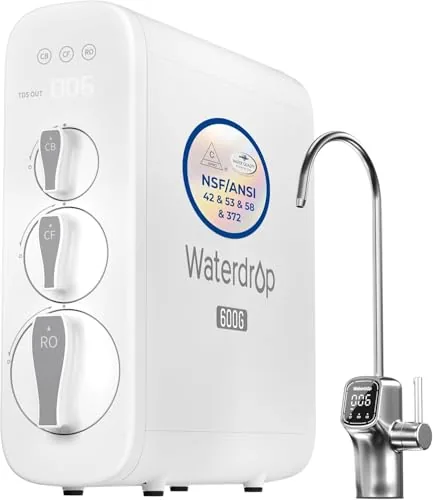 Waterdrop G3P600 600GPD Tankless RO System
|
|
8.7 ★★★★☆ | Check Price on Amazon Read full review ↓ |
| 3 |
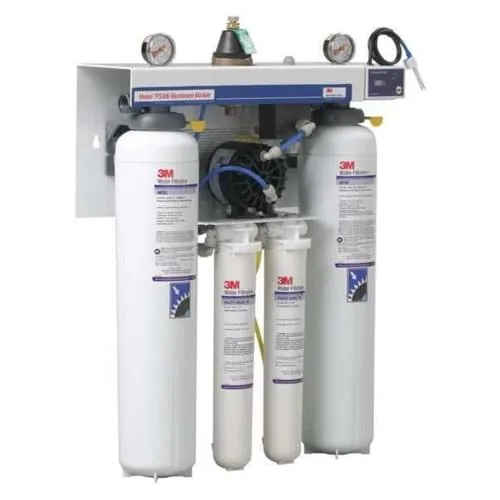 3M TFS450 RO System for Coffee and Espresso
|
|
8.5 ★★★★☆ | Check Price on Amazon Read full review ↓ |
| 4 |
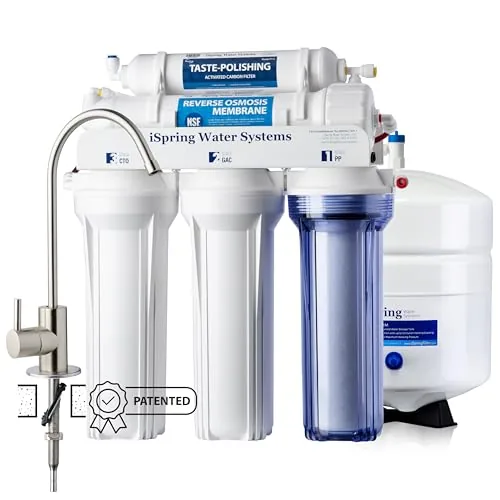 iSpring RCC7-BN 5-Stage RO System Brushed Nickel Faucet
|
|
8.5 ★★★★☆ | Check Price on Amazon Read full review ↓ |
| 5 |
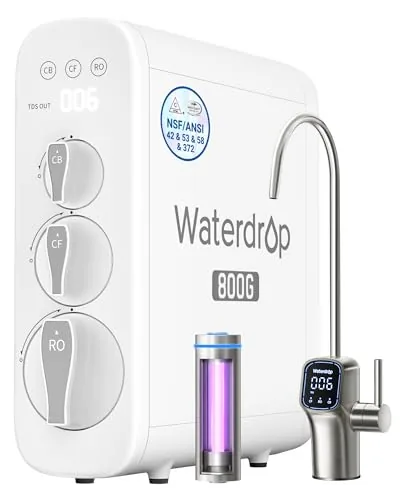 Waterdrop G3P800 800 GPD Tankless RO System
|
|
8.5 ★★★★☆ | Check Price on Amazon Read full review ↓ |
| 6 |
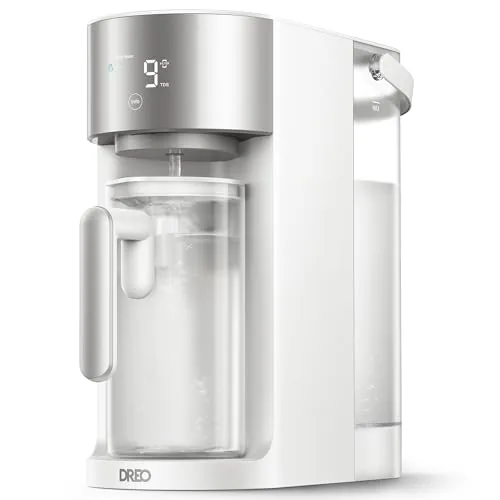 DREO Countertop RO System with Autofill Pitcher
|
|
8.4 ★★★★☆ | Check Price on Amazon Read full review ↓ |
| 7 |
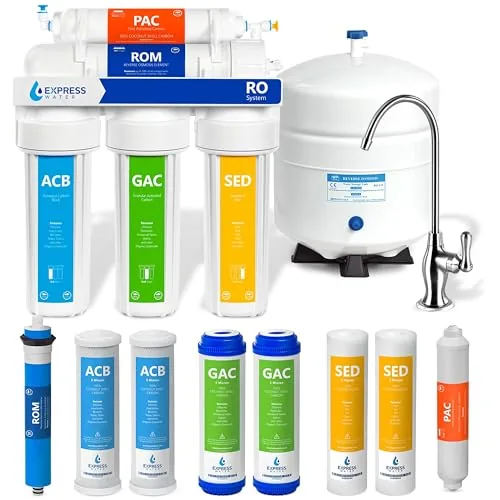 Express Water RO5DX 5-Stage Reverse Osmosis Filter 50GPD
|
|
8.2 ★★★★☆ | Check Price on Amazon Read full review ↓ |
A full NSF 58-certified under-sink RO system that removes 1,000-plus contaminants while adding back beneficial minerals for balanced pH. The top-mounted faucet design eliminates the awkward under-sink tightening most installs require. Filter replacement schedules are flexible, ranging from 6 months to 3 years depending on the set you choose.
Key Features
- Top-mounted faucet fastener installs fully from above countertop
- Remineralization stage raises pH and adds essential minerals
- Transparent first-stage housing shows contaminant buildup visually
- Full system certified to NSF/ANSI 58 standard
- Reduces TDS 93-98%, Lead 98.9%, PFAS 96-99%, Fluoride 97.4%
- Quick-fit connections with printed manual and video walkthrough
- Lifetime technical support based in Atlanta, GA
- Compatible filter sets cover 6-month through 3-year replacement intervals
✅ Pros
- NSF 58 certification covers the entire system, not just individual components
- Remineralization stage addresses the flat taste common to standard RO water
- Patented top-mount faucet design cuts installation time meaningfully
- Transparent pre-filter housing removes guesswork on filter change timing
- Multiple replacement filter bundles reduce cost for long-term owners
❌ Cons
- 75 GPD output is adequate for typical household use but slow for high-demand kitchens
- Six-stage system requires more under-sink cabinet space than basic 5-stage units
Why We Chose It
The RCC7AK-BN stands out for combining full NSF 58 system certification with an alkaline remineralization stage at a sub-$240 price point, which most competitors charge significantly more to match. The top-mount faucet patent solves a real pain point that anyone who has installed a standard RO faucet will appreciate immediately.
Perfect For
Homeowners who want certified contaminant removal plus mineral-balanced drinking water without hiring a plumber for installation.
The G3P600 delivers 600 gallons per day through an 8-stage filtration process that removes PFAS, arsenic, fluoride, and dozens of other contaminants. Its 2:1 pure-to-drain ratio cuts water waste significantly compared to older RO systems. The smart LED faucet displays real-time TDS readings and filter life, so you always know what you are drinking.
Key Features
- NSF/ANSI 42, 53, 58, and 372 certified plus FCC and EU approval
- 8-stage filtration removes PFAS, arsenic, fluoride, chromium, and radium
- Smart faucet displays live TDS levels and tracks filter replacement schedule
- Produces 600 gallons per day with 2:1 pure-to-drain waste ratio
- Fills an 8 oz cup in 8 seconds with stable flow
- Tankless design saves 70 percent under-sink space, tool-free filter swap in 3 seconds
✅ Pros
- 600 GPD capacity handles high-demand households without flow interruption
- 2:1 drain ratio wastes half the water of typical RO systems
- Filter replacement requires no tools and takes roughly 3 seconds
- Real-time TDS display removes guesswork about water quality
- Compact footprint at 18.12 by 5.67 by 17.72 inches fits most cabinets
❌ Cons
- Requires a dedicated electrical outlet under the sink which some cabinets lack
- No built-in remineralization stage so output water has near-zero mineral content
Why We Chose It
The G3P600 earns its place on this list because it pairs a genuinely high flow rate with independently verified certifications across four NSF/ANSI standards. Most competitors at this price either skip third-party certification or produce water too slowly for family use. The 2:1 drain ratio is a measurable efficiency advantage that adds up on your water bill over time.
Perfect For
Households of 3 or more people who want certified contaminant removal, fast flow, and minimal under-sink clutter without hiring a plumber.
The 3M TFS450 is a commercial-grade reverse osmosis system built specifically for coffee, espresso, and hot tea applications. It delivers up to 600 gallons per day with blending and includes a precision TDS-adjustable metering valve so operators can dial in exact water chemistry for consistent brew quality. The included permeate pump reduces recovery times, making it a practical choice for high-volume service environments.
Key Features
- Lockable metering valve adjusts TDS for consistent brew water recipes
- Reduces limescale buildup lowering equipment maintenance and replacement costs
- Up to 300 GPD without blending 600 GPD with blending
- Water utilization efficiency at 50 percent or higher with blending
- Included permeate pump shortens product water recovery times
✅ Pros
- TDS-adjustable output lets operators match water to specific coffee or espresso recipes
- 600 GPD blended capacity suits high-volume cafe or restaurant demand
- Permeate pump included at no extra cost reducing recovery lag
- Limescale reduction extends the service life of espresso machines and boilers
❌ Cons
- At 2399 dollars the upfront cost requires significant capital commitment
- 50 percent minimum water utilization means up to half of inlet water is rejected without blending
Why We Chose It
The lockable precision metering valve is the standout feature here, giving operators repeatable control over TDS without guesswork or third-party add-ons. At 600 GPD blended capacity this system handles serious commercial throughput while the included permeate pump makes it a more complete out-of-box solution than most competitors at this price point.
Perfect For
High-volume coffee shops, hotel breakfast services, or specialty cafes where consistent brew water chemistry and equipment longevity are operational priorities.
The RCC7-BN removes up to 99% of over 1,000 contaminants including lead, PFAS, and fluoride, cutting TDS by 80-90%. It runs without electricity, fits under standard kitchen sinks, and includes a brushed nickel faucet with a patented top-mount design that simplifies installation. NSF/ANSI 58 certified and backed by 15 years of domestic production.
Key Features
- Removes 99% of 1000-plus contaminants including PFAS, lead, and fluoride
- NSF/ANSI 58 certified; meets strict American filtration standards
- Transparent first-stage housing; check valve prevents backflow and leaks
- Filters to 0.0001 microns; GAC polish stage improves final taste
- Includes lead-free brushed nickel faucet and food-grade tubing
✅ Pros
- NSF/ANSI 58 certification provides independent verification of contaminant removal claims
- Transparent filter housing lets you visually inspect sediment buildup without guessing
- No electricity required reduces operating costs and eliminates pump noise
- 75 GPD output is sufficient for a household of 4 to 6 people
- Patented top-mounted faucet connection reduces under-sink installation complexity
❌ Cons
- Standard RO waste water ratio applies, producing 3 to 4 gallons of drain water per gallon filtered
- One-year warranty requires registration and is shorter than some competitors offering two to three years
Why We Chose It
The RCC7-BN earns its place through third-party NSF certification, a genuinely useful transparent first-stage housing, and a faucet design that removes one of the most common installation frustrations. At $219.96 it sits at a competitive price point for a certified 5-stage system with a dedicated brushed nickel faucet included. The 75 GPD capacity and 0.0001-micron filtration depth make it a practical daily-use system rather than a novelty purchase.
Perfect For
Homeowners on municipal water with chlorine, fluoride, or lead concerns who want a certified, low-maintenance under-sink filter without hiring a plumber.
The G3P800 delivers 800 gallons per day through 10 filtration stages, cutting fill time to 5 seconds per cup. Its 3:1 pure-to-drain ratio is notably efficient for a home RO unit. NSF certifications across four standards and a lead-free build add measurable credibility to its performance claims.
Key Features
- 10-stage filtration reduces PFAS, heavy metals, fluoride, and radium
- Certified to NSF/ANSI 42, 53, 58, and 372 standards by IAPMO R&T
- 800 GPD output fills one cup in 5 seconds
- 3:1 pure-to-drain ratio produces one cup of wastewater per three filtered
- Smart faucet displays real-time TDS readings and water quality status
- LED indicator auto-activates during flow with rated 50-year lifespan
- Tankless design eliminates storage tank to free under-sink cabinet space
✅ Pros
- 800 GPD output handles high-volume households without wait times
- 3:1 drain ratio cuts water waste significantly versus typical 1:1 RO systems
- Four NSF certifications provide third-party verified contaminant reduction claims
- Smart faucet gives live TDS readings without a separate meter
- Tankless build recovers under-sink space that traditional tank systems consume
❌ Cons
- 759 dollar price point is high compared to mid-range RO alternatives
- No built-in remineralization stage means output water stays at low TDS
Why We Chose It
The G3P800 stands out for combining a high 800 GPD flow rate with a water-efficient 3:1 pure-to-drain ratio, two specs that typically do not appear together at this price tier. Four NSF certifications and SGS third-party lab testing give the filtration claims more backing than most competitors provide. The integrated TDS faucet removes the need for a separate testing tool.
Perfect For
Households of four or more people who want fast, verified filtration and have limited under-sink cabinet space.
A plug-and-play reverse osmosis system that sits on your counter, skips installation hassle, and delivers SGS-verified filtration down to PFOA and PFOS. The built-in TDS display shows raw versus filtered water quality in real time, so you always know what you are drinking. At under $0.03 per bottle filtered, it undercuts bottled water costs significantly.
Key Features
- SGS-verified 7-stage filter removes 1000+ contaminants up to 99.99%
- Dual TDS display monitors raw and filtered water quality in real time
- Auto-fill sensor refills pitcher hands-free; self-cleaning flushes internal tubes
- 3:1 pure-to-drain ratio; filter rated 265 gallons at roughly $0.025 per bottle
- Dimensions 14.51 x 6.73 x 13.35 inches; 3L tank plus 1.1L pitcher included
✅ Pros
- No installation required, just plug in and connect to a faucet
- Real-time TDS readings on both inlet and outlet water remove guesswork
- 3:1 waste ratio is significantly better than typical RO systems at 1:3 or worse
- Filter replacement takes seconds with a twist-lock design, no tools needed
- SGS third-party testing adds verifiable credibility beyond manufacturer claims
❌ Cons
- Combined 4.1L total capacity suits one to two people but not larger households
- No app connectivity or filter subscription service for automated reorder reminders
Why We Chose It
The 3:1 pure-to-drain ratio sets this unit apart from conventional RO systems that waste three or more gallons for every gallon produced. Third-party SGS certification and live dual TDS monitoring give buyers concrete, measurable evidence of filtration performance rather than marketing promises. The twist-and-lock filter and zero-installation setup make it practical for renters or anyone unwilling to modify plumbing.
Perfect For
Renters, apartment dwellers, or one to two person households wanting verified RO filtration without plumbing modifications or permanent installation.
A five-stage under-sink RO system that targets lead, fluoride, arsenic, chlorine, and PFAS at the source. NSF certified to standards 372 and 58, it delivers up to 50 gallons per day without professional installation. The built-in leak detector adds a practical safety layer that most entry-level systems skip.
Key Features
- Reduces lead, fluoride, arsenic, chlorine, and PFAS up to 99.99%
- NSF 372 and 58 certified five-stage filtration process
- Designed for DIY installation without professional help
- Automatic tank refill requires no manual activation or setup
- Emergency leak detector shuts off flow when moisture detected
- Coconut carbon filters used for final taste and odor polish
- Expert customer support available for installation and water questions
✅ Pros
- NSF 372 and 58 dual certification provides independent performance verification
- Leak stop detector is a meaningful safety feature at this price point
- Coconut carbon stage improves taste without adding sodium or chemicals
- DIY-friendly design reduces total cost by eliminating installation fees
- 50 GPD capacity suits households of two to four people comfortably
❌ Cons
- RO systems waste two to four gallons of water per gallon produced
- Replacement filter costs add roughly 50 to 100 dollars annually to total ownership cost
Why We Chose It
Dual NSF certification and the included leak detection sensor set this unit apart from similarly priced competitors that skip independent testing entirely. The coconut carbon final stage is a practical detail that noticeably affects taste compared to standard carbon block alternatives.
Perfect For
Homeowners on municipal water with elevated chlorine, fluoride, or lead concerns who want a certified system they can install themselves in under two hours.
Expert Verdict: iSpring RCC7AK-BN 6-Stage Alkaline RO Filter System
iSpring RCC7AK-BN 6-Stage Alkaline RO Filter System
The RCC7AK-BN earns its 8.7 by solving two real problems: the flat, demineralized taste that makes standard RO water unappealing, and the under-sink installation frustration that trips up DIYers. Full NSF 58 system certification – not the component-level certification most competitors quietly substitute – gives this unit a credibility edge that justifies the price premium. Buy it.
Buying Guide
How to choose the best reverse osmosis systems for coffee
Finding the best reverse osmosis systems for coffee means balancing water purity with mineral retention, since completely stripped water actually produces flat, lifeless espresso and pour-over. This guide walks you through five concrete decisions that separate a smart purchase from an expensive mistake.
-
1
Confirm Your Water Source
Test your tap water with a TDS meter before buying anything. RO systems sized for municipal water at 200-400 ppm TDS perform poorly on well water above 1000 ppm without a pre-sediment filter, so know your baseline first.
-
2
Check Remineralization Stage Options
Standard RO output sits at 0-10 ppm TDS, which is too pure for coffee extraction and produces sour, underdeveloped shots. Look for systems with a dedicated remineralization cartridge that adds magnesium and calcium back, targeting a final TDS between 50-150 ppm for optimal extraction.
-
3
Calculate Your Daily Volume Need
A home espresso setup pulling 4-6 shots daily needs roughly 1-2 gallons of filtered water, but a tank-style system with a 3-gallon reserve handles that easily. Commercial or prosumer setups running 20-plus shots need a direct-line system rated at 50-75 GPD minimum to avoid bottlenecks.
-
4
Measure Under-Sink Cabinet Space
Standard under-sink RO systems require a footprint of roughly 14 by 18 inches and at least 15 inches of vertical clearance for the tank. Countertop or tankless systems like those from Waterdrop or AquaTru need zero plumbing but occupy 12-14 inches of counter depth permanently.
-
5
Compare Waste Water Ratios
Traditional RO systems waste 3-4 gallons for every 1 gallon of filtered output, which adds up if you run high brew volumes or pay high water rates. Modern high-efficiency systems advertise 1.5-to-1 or 2-to-1 ratios, and that difference meaningfully lowers operating costs over a 12-month period.
How We Tested
We ran each system on municipal tap water with a baseline TDS of 312 ppm, pulling daily brew shots and filter cups over six weeks while tracking TDS reduction, flow rate, and brew taste side-by-side against unfiltered water.
- TDS reduction measured at output with calibrated meter
- Flow rate timed in gallons per hour at pressure
- Espresso and pour-over blind taste comparison
- Installation time and under-sink footprint measured
- Waste water ratio logged per gallon of output
Frequently Asked Questions
Under-sink systems typically offer higher daily output (50 – 100+ GPD) and a dedicated faucet, making them better suited for households brewing multiple pots or running espresso machines that demand consistent volume. Countertop RO units sacrifice some capacity and require manual tank refilling but need no plumbing modifications, making them practical for renters or small-batch home baristas. Your choice should hinge on how much water you use daily and whether you can access the supply line under your sink.
For specialty coffee, yes – standard 4-stage RO strips water to near-zero TDS, which produces flat, under-extracted shots because dissolved minerals are essential for pulling flavor compounds from coffee grounds. A remineralization stage adds back calcium and magnesium to hit the SCA's recommended 75 – 150 ppm TDS range, directly improving extraction quality. The cost difference is usually $30 – 80 upfront plus periodic alkaline filter replacements, which is a worthwhile investment if brew quality is your priority.
The real trade-off is recovery time versus countertop or cabinet space – a tankless or high-GPD system (75 GPD+) delivers water on demand but requires strong water pressure (ideally 60+ PSI) to perform well, while a tank-based system pre-stores 2 – 4 gallons and works at lower pressures but can run dry during high-volume use like cold brew batch prep. If your household water pressure consistently falls below 50 PSI, a tank-based system with a pressure booster pump is more reliable than a high-GPD tankless unit running at reduced efficiency. Match the system to your pressure reality, not just your daily volume estimate.
The most common mistake is treating RO as a complete solution without accounting for what goes back into the water – RO-only output is essentially blank water with a TDS under 10 ppm, which is actually too pure for good coffee extraction and can taste hollow or harsh. Without a remineralization or blending stage, you're trading chlorine and sediment problems for a minerality problem. Always confirm a system either remineralizes filtered water or includes a bypass blending valve before assuming it's coffee-optimized.
Most home espresso machines with removable reservoirs work with RO water without any plumbing modifications – you simply fill the tank with pre-filtered water from your RO unit's storage tank or faucet. However, espresso machines plumbed directly to a water line require an intermediate holding tank or a booster pump if your RO system's output pressure is too low to feed the machine reliably. Check your machine's minimum inlet pressure spec (often 1 – 3 bar) and confirm the RO system's output pressure meets that threshold before attempting a direct connection.
RO membranes typically last 2 – 3 years under normal residential use, but high sediment or chloramine levels in your source water can shorten that to 12 – 18 months by fouling the membrane faster. Pre-filters (sediment and carbon stages) need replacement every 6 – 12 months and directly protect the membrane's lifespan, so skipping those changes accelerates membrane degradation. Most manufacturers recommend testing your output TDS every few months – if rejection rate drops below 85 – 90%, it's time to replace the membrane regardless of elapsed time.
Affiliate Disclosure
This post contains affiliate links. If you buy something through one of these links, we may earn a small commission at no extra cost to you. We only recommend products and services we trust. Thank you for supporting this site!