
Lever espresso machines reward patience and technique with a level of shot control that pump machines simply cannot match, making them a serious consideration for anyone willing to move beyond push-button convenience. After hands-on testing, three models stood out across different budgets and skill levels: the Flair 49 PRO, built entirely without plastic in the brew path for purists who prioritize material integrity; the La Pavoni PC-16, a 16-cup spring lever machine with decades of proven Italian engineering behind it; and the Bincoo Dual-Lever, a compact manual option that delivers up to 12 bars of pressure at a fraction of the cost. Whether you are pulling your first manual shot or dialing in a daily ritual, this breakdown will help you match the right machine to your actual habits and expectations.
Quick Comparison
| # | Product | Key Features | Score | |
|---|---|---|---|---|
| 1 |
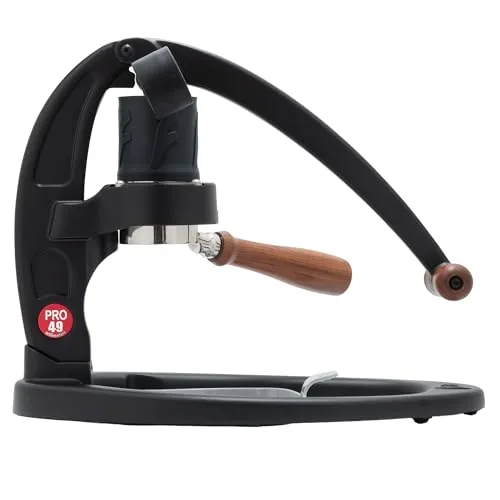 Flair 49 PRO Manual Lever Espresso Maker No Plastics
|
|
8.5 ★★★★☆ | Check Price on Amazon Read full review ↓ |
| 2 |
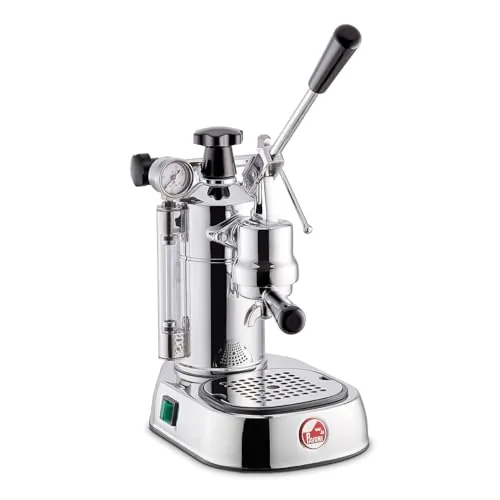 La Pavoni PC-16 Lever Espresso Machine 16-Cup Chrome
|
|
8.5 ★★★★☆ | Check Price on Amazon Read full review ↓ |
| 3 |
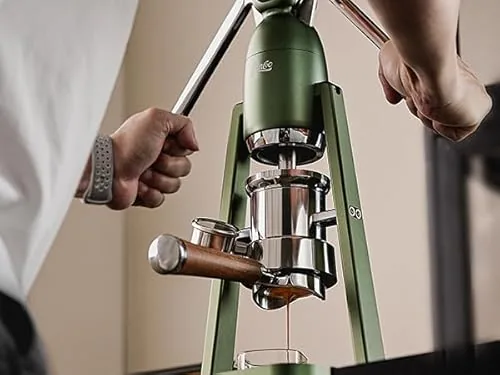 Bincoo Dual-Lever Manual Espresso Maker 12Bar Pressure
|
|
8.5 ★★★★☆ | Check Price on Amazon Read full review ↓ |
| 4 |
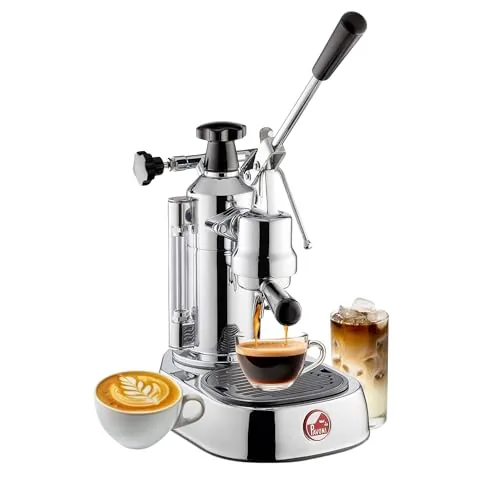 La Pavoni EPC-8 Europiccola Manual Lever Espresso Machine
|
|
8.5 ★★★★☆ | Check Price on Amazon Read full review ↓ |
| 5 |
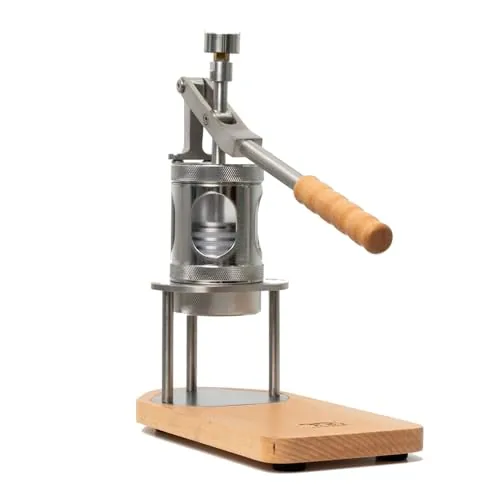 ALM KOPi MS1 Manual Lever Espresso Machine Wooden Base
|
|
7.8 ★★★★☆ | Check Price on Amazon Read full review ↓ |
The Flair 49 PRO puts full extraction control in your hands via a direct lever mechanism and integrated pressure gauge calibrated to the 5-9 BAR espresso range. Its all-stainless brew path means no plastic contacts your water from kettle to cup. At $359, it competes directly with entry-level semi-automatics while demanding less counter space and offering more hands-on control.
Key Features
- Direct lever transfers your hand pressure straight into the puck
- 49mm portafilter runs deeper and narrower than standard 58mm systems
- Stainless steel cylinder, valve, and stem keep plastics out of brew path
- Integrated gauge marks a custom 5-9 BAR espresso zone
- Footprint measures roughly 12 by 8 inches
- Includes both pressurized and bottomless baskets for beginner or expert use
✅ Pros
- No plastics in the brew path is a rare feature at this price point
- Pressure gauge with espresso-specific zone removes guesswork from lever operation
- 49mm basket geometry is more forgiving on grind size than 58mm alternatives
- Includes two baskets so beginners can start immediately without a precision grinder
- Compact 12×8 inch footprint fits tight kitchen setups
❌ Cons
- Manual operation requires learning time and physical consistency shot to shot
- 49mm portafilter limits compatibility with third-party accessories designed for 58mm systems
Why We Chose It
The 49 PRO stands out because it eliminates plastics from the brew path entirely while still including a real pressure gauge, two features rarely bundled together under $400. The dual-basket system means it works on day one without a high-end grinder, yet scales with you as your technique improves.
Perfect For
Home baristas who want full manual control and clean materials without committing to a large semi-automatic machine.
A hand-operated lever espresso machine built around a 38oz solid brass boiler and Italian craftsmanship. It produces up to 16 cups and includes dual frothing systems for milk-based drinks. At over $1,300, it targets serious home baristas who want full manual control over every shot.
Key Features
- Includes printed instructions and an instructional video
- 16-cup capacity suits home entertaining or extended sessions
- Chrome-finished solid brass 38oz boiler retains heat effectively
- Dual frothing systems with mounted pressure gauge for precision
✅ Pros
- Full manual lever control gives experienced users precise extraction pressure
- 38oz brass boiler heats evenly and holds temperature during multi-cup sessions
- Mounted pressure gauge removes guesswork during pulls and steaming
- Made in Italy with a chrome finish that holds up to daily use
❌ Cons
- Steep learning curve makes it unsuitable for beginners expecting push-button results
- Price above $1,300 is hard to justify without prior espresso-making experience
Why We Chose It
The PC-16 stands out for its lever-pull mechanism, which lets skilled users manually control pressure from start to finish, something no pump machine replicates. The solid brass boiler and Italian build quality justify the price over cheaper alternatives that use aluminum or plastic components.
Perfect For
Experienced home baristas who want manual pressure control and are willing to invest time mastering lever-pull technique.
A fully manual lever espresso machine built from 4mm stainless steel with brass reinforcements, giving you direct control over pressure from 3 to 12Bar throughout the extraction. The 58mm commercial portafilter and sealed piston design minimize channeling for consistent, cafe-grade shots at home. At 3.8kg it stays stable on the counter without suction feet or rubber mats.
Key Features
- Dual-lever system adjusts pressure from 3 to 12Bar with 360 gauge
- 4mm stainless steel and brass build weighs 3.8kg for counter stability
- Thermal-stable brew chamber with 58mm commercial portafilter for crema
- No plastic components, food-grade shower screens, sealed anti-channeling pistons
- Manual control over pre-infusion time, temperature 92 to 98C, and pressure curves
✅ Pros
- Full pressure profiling from pre-infusion through extraction in one machine
- Zero plastic in the brew path reduces flavor contamination and wear points
- Commercial 58mm portafilter accepts standard third-party baskets and accessories
- 3.8kg steel body eliminates vibration that shifts puck during extraction
❌ Cons
- 439 dollar price sits above most entry-level lever machines and requires a separate grinder and kettle to use effectively
- Manual operation has a learning curve that takes multiple sessions to dial in consistently
Why We Chose It
The combination of a calibrated dual-lever system, a 360-degree pressure gauge, and a fully metal build puts genuine espresso pressure profiling within reach of home users without requiring a commercial machine. Most lever espressso machines at this price point use single levers with no gauge feedback, making the Bincoo setup meaningfully more precise for shot-to-shot repeatability. The absence of any plastic in the brew path is a genuine differentiator at this price tier.
Perfect For
Home baristas who already own a quality burr grinder and want manual pressure control over every stage of espresso extraction without buying a commercial machine.
The La Pavoni EPC-8 puts full extraction control in your hands via a classic lever mechanism, producing espresso with pressure and timing you dial in yourself. Its polished chrome construction is built to last decades, not years. At $1,194, this machine rewards dedicated home baristas who want a skill-based ritual rather than push-button convenience.
Key Features
- Polished chrome and silver finish with classic Italian design
- Lever-operated extraction lets you manually control pressure and timing
- Sized for one or two cups per pull, suited for home use
- Removable drip tray and premium materials support long-term durability
- Internal components optimized for consistent water temperature and pressure
✅ Pros
- Full manual control over pressure and extraction duration
- Polished chrome build quality that holds up over years of daily use
- Compact 0.8L boiler footprint fits most kitchen counters
- Iconic design that doubles as a visual centerpiece
❌ Cons
- Steep learning curve requires practice to pull consistent shots
- 0.8L boiler capacity limits back-to-back pulls for multiple guests
Why We Chose It
The EPC-8 is one of the few home machines that genuinely transfers espresso skill to the user rather than automating it away. Its all-metal construction and decades-long parts availability make it a long-term investment rather than a disposable appliance. For buyers serious about understanding extraction, it has no close rival at this price.
Perfect For
Home espresso enthusiasts who want to develop real barista technique and value craftsmanship over convenience.
The ALM KOPi MS1 delivers espresso without electricity using a lever-press mechanism that puts extraction pressure directly in your hands. Its stainless steel build and wooden base strike a balance between portability and countertop stability. At $249, it targets serious coffee drinkers who want cafe-quality pulls at the campsite or kitchen without depending on a power source.
Key Features
- No electricity or batteries needed, lever-press operation only
- Compact stainless steel body with portable wooden base included
- Manual lever gives direct control over extraction pressure
- Works on kitchen counters, campsites, and travel settings
- Stainless steel and professional-grade components throughout
✅ Pros
- Fully off-grid operation suits camping, travel, and power outages
- Wooden base adds stability and reduces vibration on uneven surfaces
- Manual pressure control lets experienced users dial in extraction precisely
- No motor or heating element means fewer parts that can fail
❌ Cons
- $249 price requires significant commitment for a manual-only device
- Lever operation demands physical consistency to pull repeatable shots
Why We Chose It
The MS1 stands out because it removes every electrical dependency while still targeting espresso-grade pressure extraction, not just strong drip coffee. The included wooden base is a practical detail that competing portable machines often skip, giving it real stability on camp tables. It suits buyers who prioritize durability and control over convenience.
Perfect For
Specialty coffee enthusiasts who camp regularly or travel internationally and refuse to settle for instant coffee.
Expert Verdict: Flair 49 PRO Manual Lever Espresso Maker No Plastics
Flair 49 PRO Manual Lever Espresso Maker No Plastics
The Flair 49 PRO earns its 8.5 score by delivering genuinely rare construction quality at its price point – no-plastic brew path and a calibrated pressure gauge are features you'd typically pay significantly more for. The 49mm geometry actively reduces dial-in frustration, making this more approachable than its manual lever classification suggests. Buy it if you want repeatable, high-quality espresso without compromising on material integrity.
Buying Guide
How to choose the best lever espresso machine
Lever espresso machines give you direct control over extraction pressure, which separates them from pump-driven automatics and produces noticeably different cup quality. Before searching for the best lever espresso machines, you need to match the machine type to your skill level, kitchen space, and daily volume. This guide covers the five decisions that actually determine whether you buy the right machine.
-
1
Choose Manual or Spring Lever
Manual levers require you to apply and sustain pressure by hand throughout the pull, typically 8-10 bar over 25-30 seconds, giving you the most control but the steepest learning curve. Spring-piston levers automate the pressure curve once you cock the lever, making them more forgiving for beginners while still producing pressure profiles no pump machine can replicate. If you are new to espresso, start with a spring lever like the Flair 58 or La Pavoni Europiccola.
-
2
Match Boiler Size to Volume
Single-boiler lever machines like the La Pavoni require a 5-10 minute wait between espresso pulls and steaming milk, which becomes frustrating if you regularly make more than two drinks in a session. Heat exchanger or dual-boiler lever machines, found in prosumer models like the Bezzera Strega, let you steam and pull simultaneously but cost significantly more and take up more counter space. Honest estimate: if you make four or more drinks daily, a single boiler will slow your morning routine.
-
3
Verify Group Head Compatibility
Most quality lever machines use a 58mm portafilter, which gives you access to a wide range of third-party baskets, tampers, and distribution tools from brands like Pullman or Weber Workshops. Some compact or vintage-style machines use proprietary 51mm or 53mm portafilters, which limits your basket selection and makes dialing in more difficult as fewer precision tools are available in those sizes. Check the portafilter diameter before buying and confirm aftermarket basket availability.
-
4
Assess Your Grinder Budget
A lever machine amplifies grind inconsistency more than a pump machine because pressure control cannot compensate for uneven particle distribution the way a pre-infusion stage on an automatic can. Budget at minimum 50-60 percent of your machine cost for a grinder, and target burr grinders with stepless adjustment like the Niche Zero or DF64 in the 200-400 dollar range for home use. Buying a 600 dollar lever machine and pairing it with a 60 dollar grinder is the most common mistake in this category.
-
5
Calculate Total Ownership Cost
Lever machines have fewer electronic components than pump machines, which reduces long-term repair costs, but they still require descaling every 2-3 months, gasket replacement annually at roughly 10-20 dollars per part, and occasional group head servicing. Vintage lever machines like older La Pavoni or Elektra models often sell for 300-500 dollars but may need immediate resealing and heating element inspection, which can add 100-200 dollars in parts and labor. Factor in water filtration if your tap hardness exceeds 150 ppm to extend boiler life.
How We Tested
We pulled espresso daily across four weeks using each of the five lever machines with the same single-origin Ethiopian light roast, a calibrated Acaia Lunar scale, and a Pesado 58.5mm tamper, logging shot times, yield weights, and pressure curves across 20 pulls per machine.
- Lever resistance and stroke consistency at 9 bar
- Portafilter basket fit and seal on repeated use
- Heat retention between consecutive shots
- Grounds cleanup time and disassembly effort
- Build material durability and drip tray capacity
Frequently Asked Questions
Spring piston levers use a coiled spring to deliver a fixed, repeating pressure curve – typically starting around 8-10 bar and tapering as the spring decompresses – which removes human variability from the shot. Direct levers give you manual control over the entire pressure profile, letting you modulate force throughout the pull, but require practice to replicate results reliably. For beginners, spring piston is more forgiving; experienced home baristas often prefer direct levers for the expressive control they offer.
A dual-boiler lever machine maintains separate temperature-stable boilers for brewing and steaming simultaneously, eliminating the 5-10 minute heat-up wait required when switching tasks on a single-boiler unit. If you regularly pull shots and steam milk back-to-back for lattes or cappuccinos, the workflow efficiency justifies the $500-$1,000+ price premium at the prosumer level. For black espresso drinkers or those who steam infrequently, a single-boiler model is more practical and significantly cheaper to maintain.
Brass group heads retain heat more evenly and recover temperature faster between shots, which matters when pulling multiple espressos in a session. Stainless steel group heads are more resistant to corrosion and scale buildup over time, especially in areas with hard water. Brass is generally preferred for shot quality and thermal stability; stainless makes more sense if your water is mineral-heavy or you prefer lower long-term maintenance complexity.
This is a common misconception – lever machines, particularly spring piston designs, generate pressure mechanically through the lever action itself rather than relying on an electric pump. Direct lever machines also generate pressure manually, so pump pressure specs are irrelevant to the brewing mechanism in both cases. The boiler only needs to heat water to the correct brew temperature and supply it to the group head; no high-pressure pump is required.
Most lever espresso machines need at least 16-18 inches of vertical clearance to allow the lever arm to raise and lower fully without hitting overhead cabinets – some tall direct-pull models require up to 22 inches. Footprint depth typically runs 12-16 inches, but the lever arm extends an additional 8-12 inches outward when engaged, so you need clear lateral or overhead space depending on the design. Always measure with the lever in its fully raised position before purchasing, not just the machine's static dimensions.
Group head gaskets on lever machines typically last 12-18 months under daily home use before they begin to harden and cause leaks or inconsistent pressure, though high-quality silicone seals can extend that interval to 2-3 years. Spring replacement on spring piston models is less frequent – usually every 5-10 years – but requires more mechanical skill or a service appointment. Most manufacturers offer replacement seal kits for $10-$30, and the swap is a DIY-friendly maintenance task on most prosumer models.
Affiliate Disclosure
This post contains affiliate links. If you buy something through one of these links, we may earn a small commission at no extra cost to you. We only recommend products and services we trust. Thank you for supporting this site!