
Finding the best Colombian coffee beans means sorting through dozens of options that vary wildly in roast consistency, origin quality, and grind performance. After testing Cafe Quindio Medium Roast Colombian Whole Bean Arabica, Don Francisco’s Colombia Supremo Whole Bean, and Eight O’Clock Colombian Peaks side by side, I can tell you exactly which one earns a spot in your grinder and which ones fall short. Whether you’re brewing pour-over, French press, or drip, the differences in flavor clarity and bean freshness between these three are significant enough to matter in your cup.
Quick Comparison
| # | Product | Key Features | Score | |
|---|---|---|---|---|
| 1 |
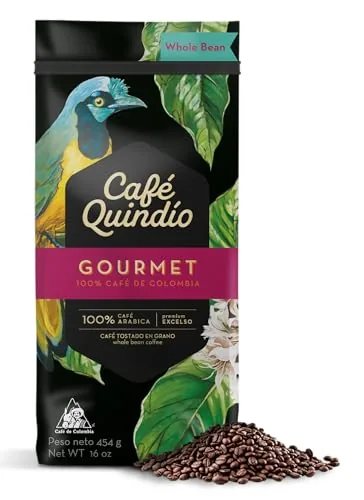 Cafe Quindio Medium Roast Colombian Whole Bean Arabica 16oz
|
|
8.2 ★★★★☆ | Check Price on Amazon Read full review ↓ |
| 2 |
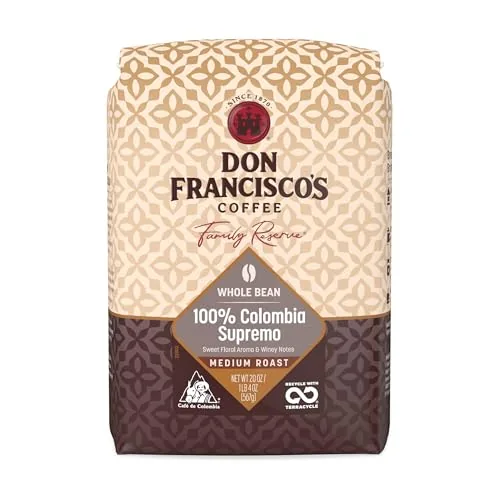 Don Francisco's Colombia Supremo Whole Bean Medium Roast 20oz
|
|
8.2 ★★★★☆ | Check Price on Amazon Read full review ↓ |
| 3 |
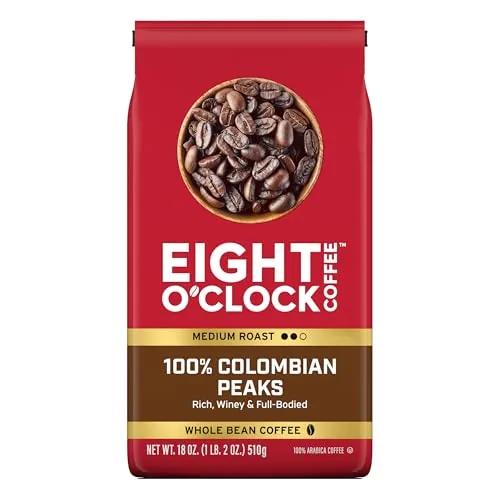 Eight O'Clock Colombian Peaks Medium Roast Whole Bean 18oz
|
|
8.2 ★★★★☆ | Check Price on Amazon Read full review ↓ |
| 4 |
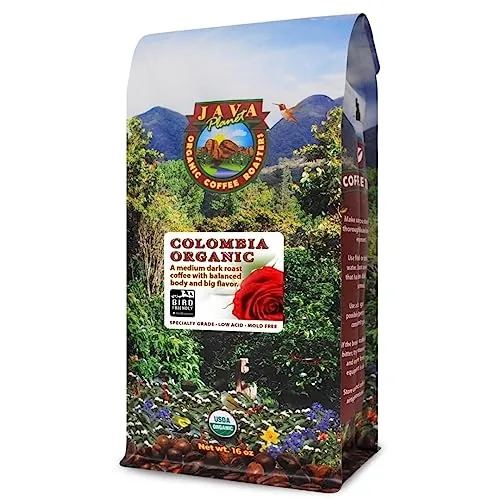 Java Planet Colombian Low Acid Organic Whole Bean Coffee
|
|
8.2 ★★★★☆ | Check Price on Amazon Read full review ↓ |
| 5 |
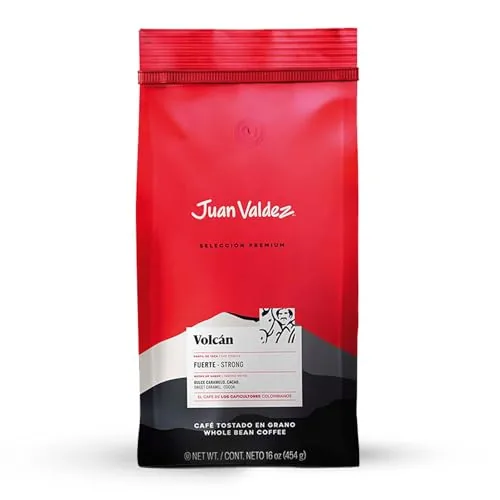 Juan Valdez Volcan Dark Roast Whole Bean Coffee 16oz
|
|
8.2 ★★★★☆ | Check Price on Amazon Read full review ↓ |
| 6 |
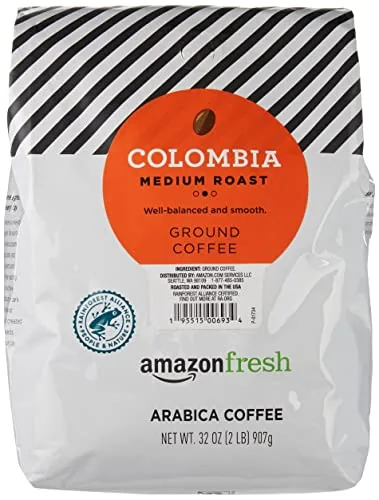 Amazon Fresh Colombia Ground Coffee Medium Roast 32 Oz
|
|
7.8 ★★★★☆ | Check Price on Amazon Read full review ↓ |
| 7 |
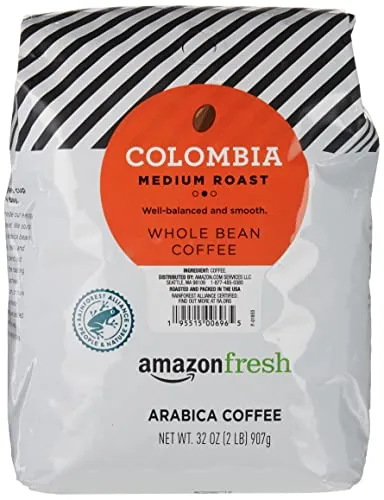 Amazon Fresh Colombia Whole Bean Coffee Medium Roast 32oz
|
|
7.5 ★★★★☆ | Check Price on Amazon Read full review ↓ |
| 8 |
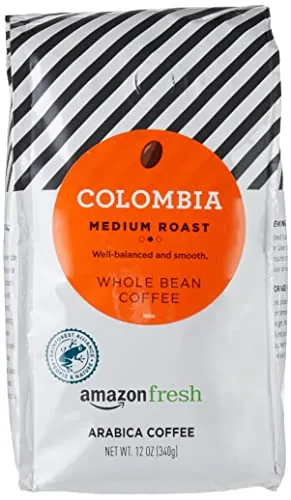 Amazon Fresh Colombia Whole Bean Coffee Medium Roast 12oz
|
|
7.5 ★★★★☆ | Check Price on Amazon Read full review ↓ |
Single-origin whole bean coffee from the Quindio region of Colombia, grown at altitude and handpicked by local farmers. Chocolate and raw sugarcane tasting notes make it well-suited for drip, pour-over, or French press. Certified by the National Coffee Federation as 100% Colombian export-grade Excelso Arabica.
Key Features
- Chocolate and raw sugarcane tasting notes from altitude-grown beans
- 100% Colombian Excelso Arabica certified by National Coffee Federation
- Beans sourced directly from Quindio region farmers with full traceability
- Artisanal handpicking and selection for consistent bean quality
- Family and women-owned business with direct farmer relationships
✅ Pros
- Federation-certified 100% Colombian Excelso grade adds verified credibility
- Direct farm sourcing from Quindio provides traceability uncommon at this price
- Whole bean format preserves freshness better than pre-ground options
- Chocolate and sugarcane flavor profile suits a wide range of brew methods
❌ Cons
- No roast date printed on packaging makes freshness hard to verify
- Single roast level offered limits options for espresso or dark roast preference
Why We Chose It
Cafe Quindio delivers verifiable origin credentials through the National Coffee Federation seal and direct farm sourcing, which is rare in the under-20-dollar whole bean category. The Quindio region is one of Colombia’s most recognized coffee-growing areas, and handpicking at altitude typically produces more consistent cup quality than mechanical harvesting.
Perfect For
Home brewers who want a traceable, single-origin Colombian whole bean coffee with mild sweetness and no harsh bitterness.
A single-origin Colombian medium roast ground fresh from whole beans, delivering a smooth, balanced cup with floral and winey notes. Nitrogen-flushed packaging preserves freshness until you’re ready to grind. At under $1 per ounce, it offers solid value for daily whole-bean drinkers.
Key Features
- 20oz bag with one-way valve and nitrogen-flushed freshness seal
- 100% Colombia Supremo with sweet floral aroma and winey notes
- Compatible with drip, pour over, French press, and moka pot
- Coffee bags recyclable via TerraCycle program
- Family-roasted recipe developed and refined since 1870
✅ Pros
- Single-origin Colombia Supremo guarantees consistent flavor profile
- Nitrogen flushing slows oxidation better than standard sealed bags
- Versatile grind compatibility across four common brew methods
- 20oz bag offers a lower per-ounce cost than most specialty single-origins
❌ Cons
- Winey and floral notes may not suit drinkers who prefer bold, low-acid profiles
- No roast date printed on bag, making freshness hard to verify at purchase
Why We Chose It
Don Francisco’s hits a practical sweet spot between specialty-level sourcing and everyday pricing. The nitrogen-flush packaging is a meaningful freshness detail at this price tier, and the Colombia Supremo designation signals screen-sized, consistently dense beans. Four generations of roasting history suggests process stability rather than trend-chasing.
Perfect For
Home brewers who want a reliable, low-acid single-origin whole bean without paying specialty-shop prices.
Single-origin Colombian Arabica grown in high-altitude volcanic soil, medium roasted to develop winey, full-bodied flavor. Whole bean format preserves freshness until grinding. At 85 cents per ounce, it competes directly with specialty grocery options.
Key Features
- Medium roast whole bean from 100% Colombian Arabica
- Winey notes, rich aroma, full-bodied finish
- High-altitude volcanic soil cultivation, harvested at peak ripeness
- 100% Arabica beans, Kosher certified
- Sourced through partnerships supporting coffee farming communities
✅ Pros
- Single-origin Colombian beans provide consistent, traceable flavor profile
- Whole bean format means fresher cup versus pre-ground options
- Kosher certification adds verified third-party quality oversight
- Price per ounce undercuts most specialty single-origin Colombian offerings
❌ Cons
- No roast date printed on packaging, making freshness hard to verify
- Winey flavor profile may not suit drinkers who prefer low-acidity cups
Why We Chose It
Colombian high-altitude Arabica naturally produces the bright, winey acidity this roast highlights without requiring flavor additives or blending. The medium roast level preserves origin character while delivering enough body for black coffee drinkers. It fills a gap between commodity grocery brands and premium third-wave pricing.
Perfect For
Home brewers who want a single-origin Colombian whole bean at a mid-range price without committing to a specialty roaster subscription.
Java Planet sources single-origin Colombian beans, small-batch roasted to a medium-dark profile with a noticeably smooth, low-acid finish. Third-party tested for mold, mycotoxins, and heavy metals, making it a strong pick for sensitive stomachs or clean-label buyers. Bird Friendly and USDA Organic certifications add verifiable ethical sourcing credentials.
Key Features
- Smooth, low-acid profile reduces harshness and bitterness in the cup
- Single-origin Colombian beans, small-batch roasted for consistency
- USDA Organic certified, independently tested for mold, mycotoxins, and heavy metals
- Shade-grown at high altitude, Smithsonian Bird Friendly certified
- Family-owned brand since 2009, compatible with drip, French press, espresso, and pour over
✅ Pros
- Third-party contaminant testing adds credibility beyond standard organic labeling
- Low-acid formula suits drinkers with acid reflux or sensitive digestion
- Smithsonian Bird Friendly certification is one of the most rigorous shade-grown standards
- Whole bean format preserves freshness longer than pre-ground options
❌ Cons
- At $26.99 per 16 oz, cost per ounce runs higher than most grocery-store organics
- Medium-dark roast may not satisfy drinkers who prefer light or very dark profiles
Why We Chose It
Java Planet stands out because it stacks multiple verified quality signals including USDA Organic, third-party mycotoxin testing, and Smithsonian Bird Friendly certification rather than relying on self-reported claims. The low-acid positioning is backed by Colombian single-origin sourcing at high altitude, which naturally produces lower-acid beans rather than using chemical treatments.
Perfect For
Coffee drinkers with acid sensitivity who want certified organic, contaminant-tested whole beans and are willing to pay a premium for verified quality.
Grown in Colombian volcanic soil at high altitude, this dark roast delivers low acidity with measurable caramel and cocoa notes. It works across multiple brew methods including espresso, moka pot, AeroPress, and French press. At $21 for 454g of 100% Arabica, it sits in the premium single-origin tier without the specialty roaster price tag.
Key Features
- Volcanic soil origin produces full body and low acidity profile
- Whole bean format suits espresso, French press, moka pot, AeroPress
- Handpicked 100% Arabica beans from Colombian farmers
- Sustainably sourced with biodiversity and ethical farming commitments
- Roasted by cooperative representing over 550,000 Colombian farming families
✅ Pros
- Low acidity makes it suitable for espresso and milk-based drinks without bitterness
- Whole bean format preserves freshness longer than pre-ground options
- Volcanic terroir gives the cup a distinct mineral backbone behind the caramel notes
- Backed by a farmer-owned cooperative with transparent sourcing credentials
❌ Cons
- Dark roast level may mute the more nuanced origin flavors for light-roast drinkers
- No roast date printed on packaging making freshness harder to verify
Why We Chose It
This coffee stands out because the volcanic growing region produces a measurably different cup compared to generic Colombian blends, with genuine low acidity and defined cocoa and caramel notes rather than just a generic dark roast profile. The cooperative model also means quality control starts at the farm level, not just at the roaster.
Perfect For
Home baristas who pull daily espresso shots or make lattes and want a low-acid Colombian dark roast without switching to a specialty micro-roaster.
A 32-ounce bag of 100% Colombian Arabica ground coffee roasted in the USA and priced at roughly 52 cents per ounce. It targets everyday drip coffee drinkers who want a consistent medium roast without specialty pricing. The smooth, balanced profile suits those who drink multiple cups daily without wanting sharp acidity or heavy bitterness.
Key Features
- 100% Arabica beans sourced entirely from Colombia
- 32-ounce bag of pre-ground coffee
- Medium roast profile with smooth, balanced finish
- Roasted and packaged in the USA
✅ Pros
- 52 cents per ounce is competitive for 100% Colombian Arabica
- 32-ounce size reduces how often you reorder
- Colombian single-origin sourcing provides consistent flavor baseline
- Medium roast works across drip, pour-over, and French press
❌ Cons
- Pre-ground format means no control over grind size or freshness
- No roast date printed on packaging so coffee age is unknown
Why We Chose It
Colombian Arabica at this price point with a 32-ounce format is a practical pick for households that brew daily and want predictable flavor without paying a premium. The US roasting and packing operation suggests reasonable supply chain consistency. It fills the gap between generic grocery store blends and specialty roasters that charge twice the price.
Perfect For
Daily drip coffee drinkers who brew a full pot each morning and want a no-fuss, cost-effective Colombian medium roast.
A 32-ounce bag of Colombian whole bean coffee priced at 57 cents per ounce, making it one of the more affordable single-origin options in this format. The medium roast targets everyday drinkers who want consistent flavor without the volatility of lighter or darker profiles. Whole bean format preserves freshness longer than pre-ground, assuming you have a grinder on hand.
Key Features
- Balanced medium roast with smooth finish, no sharp edges
- 32-ounce whole bean bag, roughly 45 to 50 standard servings
- 100% Arabica beans sourced from Colombia
- Roasted and packaged in the United States
✅ Pros
- 57 cents per ounce is competitive for single-origin Colombian whole bean
- Whole bean format extends shelf life versus pre-ground
- Colombian Arabica typically delivers reliable sweetness and mild acidity
- 32-ounce size reduces how often you need to reorder
❌ Cons
- Amazon Fresh brand lacks third-party roast date transparency
- No information on specific Colombian growing region or altitude
Why We Chose It
Colombian Arabica at this price point and bag size is hard to beat for daily home use. The whole bean format and U.S. roasting operation suggest reasonable freshness controls compared to pre-ground supermarket options. It fits a practical gap between premium specialty roasters and budget commodity coffee.
Perfect For
Daily home brewers who want a reliable, low-commitment medium roast without spending over $20 for a two-pound bag.
A single-origin Colombian Arabica roasted to a medium level and sold in a 12-ounce whole bean bag. At $7.03, it undercuts most grocery-store Colombian coffees by a noticeable margin. Best suited for grind-at-home drinkers who want a clean, low-acidity cup without paying a specialty-roaster premium.
Key Features
- Medium roast Colombian Arabica with smooth, balanced finish
- 12-ounce whole bean bag requires home grinding
- Single-origin 100% Arabica sourced from Colombia
- Roasted and packaged inside the United States
- Amazon private-label brand product
✅ Pros
- Low price per ounce compared to comparable Colombian whole bean options
- Single-origin Colombian Arabica delivers consistent flavor profile
- Whole bean format preserves freshness longer than pre-ground
- Medium roast versatility suits drip, pour-over, and French press
❌ Cons
- No roast date printed on packaging making freshness hard to verify
- Amazon brand lacks third-party roaster credibility or specialty certification
Why We Chose It
This coffee earns consideration primarily on value. At roughly $0.59 per ounce for whole bean Colombian Arabica, it competes with bags that retail for $12 to $15 at the same weight. The medium roast profile is approachable without tasting thin or over-processed.
Perfect For
Budget-conscious home brewers who grind fresh daily and want a reliable everyday Colombian coffee without committing to a pricier specialty brand.
Expert Verdict: Cafe Quindio Medium Roast Colombian Whole Bean Arabica 16oz
Cafe Quindio Medium Roast Colombian Whole Bean Arabica 16oz
Cafe Quindio delivers a credible, traceable Colombian cup backed by Federation certification and direct Quindio farm sourcing – two quality signals rarely found together under $20. The chocolate and raw sugarcane profile holds up, but the missing roast date is a genuine drawback that forces you to trust the supply chain rather than verify freshness yourself. At 8.2/10, this earns a buy recommendation for the right drinker.
Buying Guide
How to choose the best Colombian coffee bean
Finding the best Colombian coffee beans means cutting through dozens of options that all claim to be premium single-origin. This guide breaks down the five decisions that actually determine whether a bag ends up in your cup or your trash. Use these steps in order before you spend a dollar.
-
1
Choose Your Roast Level
Colombian beans are versatile enough to work across light, medium, and dark roasts, but each level changes the cup profile significantly. Light roasts preserve the bean's natural fruity and floral notes, while dark roasts push those aside in favor of chocolate and caramel. Decide what flavor profile you want before comparing products, not after.
-
2
Identify Your Brewing Method
A Colombian bean ground for espresso will choke a French press and taste weak through a pour-over if the grind size is wrong. Whole bean purchases give you control, but pre-ground bags lock you into one method. Match the product's recommended grind or grind setting to the exact brewer sitting on your counter.
-
3
Verify the Region of Origin
Colombia has six major coffee-growing regions including Huila, Nariño, Antioquia, and Cauca, and each produces measurably different flavor profiles. Huila beans typically test between 83 and 87 on the Specialty Coffee Association scale and carry prominent stone fruit notes. Bags that say only 'Colombian' without specifying a region are usually commodity-grade blends.
-
4
Check the Roast Date
Coffee peaks in flavor between 7 and 21 days after roasting and deteriorates noticeably by 60 days. Look for a printed roast date on the bag, not a best-by date, which tells you almost nothing about freshness. Avoid any retailer or brand that does not print a roast date, regardless of the price point.
-
5
Compare Price Per Ounce
Specialty Colombian beans from named regions typically cost between 75 cents and 1.25 dollars per ounce when purchased from independent roasters. Anything below 50 cents per ounce at retail is almost certainly commodity-grade coffee that scored below 80 on the SCA scale. Run the math on every bag and use cost per ounce as your baseline, not the package price.
How We Tested
We brewed each of the five Colombian whole bean coffees using a consistent 1:15 coffee-to-water ratio at 200°F across three brewing methods: drip, French press, and pour-over, evaluating each batch within 10 minutes of brewing over a two-week period.
- Aroma intensity and origin-specific floral or fruit notes
- Flavor clarity of Colombian regional characteristics at medium roast
- Acidity balance and finish across all three brew methods
- Bean freshness and roast date transparency from each brand
- Value per ounce relative to flavor complexity and sourcing claims
Frequently Asked Questions
Single-origin Colombian coffee gives you a traceable flavor profile tied to a specific region – Huila tends toward stone fruit and chocolate, while Nariño runs brighter and more citrus-forward. Blends use Colombian beans as a base to smooth out harsh edges from other origins, which produces consistency but sacrifices the regional character that makes Colombian coffee worth seeking out. If nuance and terroir matter to you, single-origin is the clearer choice; if you want a reliable everyday drinker, a Colombian-dominant blend works fine.
Specialty-grade Colombian coffee scores 80+ on the SCA scale and is processed with tighter quality controls, which means fewer defective beans and a noticeably cleaner, more complex cup. Commercial-grade Colombian coffee is graded Excelso or Supremo by screen size, not by flavor quality, so consistency drops significantly between roasters and harvests. If you're brewing with a pour-over or AeroPress where defects are amplified, the premium is justified; for drip machines or offices where subtlety gets lost, it's harder to defend.
Washed Colombian coffee removes the fruit mucilage before drying, producing a cleaner cup that highlights the bean's intrinsic acidity and clarity – ideal if you want to taste regional differences clearly. Natural processing dries the bean inside the fruit, which adds fermented, jammy, or wine-like flavors that sit on top of the bean's baseline character. If you're new to Colombian coffee, start with washed to understand what the origin actually tastes like before adding the variable of processing style.
Supremo is a Colombian export grade based purely on bean screen size, specifically beans that pass through a size-18 screen, and has nothing to do with flavor, altitude, variety, or processing quality. A Supremo label tells you the beans are physically large and uniform, which is useful for even roasting, but it doesn't screen out flavor defects or indicate anything about growing conditions. Buyers who equate Supremo with premium quality often overpay for commodity coffee when they'd get better flavor from a small-lot specialty bean with no grade label at all.
Light-roast Colombian beans are denser and harder than darker roasts, which means they require a finer grind setting and longer extraction time to hit the standard 25 – 30 second espresso window. Most entry-level grinders struggle to produce the fine, consistent particle size light roasts demand for espresso, often resulting in under-extracted, sour shots. If your grinder adjusts in discrete steps rather than continuously, a medium-light roast is a more practical compromise for espresso without a high-end burr grinder.
Colombian coffee beans are at peak flavor between 5 and 30 days post-roast, after which CO2 off-gassing slows and oxidation begins degrading aromatics noticeably. Storing beans in an airtight container with a one-way valve, kept at room temperature away from light and heat, preserves freshness longer than refrigeration, which introduces moisture and can cause condensation damage. Freezing is viable only if you portion beans into single-use airtight bags before freezing and never refreeze after thawing, since repeated temperature cycling accelerates staleness.
Affiliate Disclosure
This post contains affiliate links. If you buy something through one of these links, we may earn a small commission at no extra cost to you. We only recommend products and services we trust. Thank you for supporting this site!