
Finding the best coffee beans for espresso means navigating a crowded market where “rich” and “bold” appear on every bag but rarely tell you what you actually need to know – grind consistency, crema yield, and how the roast holds up under 9 bars of pressure. After testing multiple options across different espresso machines, three Lavazza whole bean blends consistently stood out: the Super Crema 22oz, the Barista Gran Crema 2.2lb, and the Classic Espresso Medium Roast 2.2lb. Here’s what separates them, which one suits your setup, and whether any of them are worth your money.
Quick Comparison
| # | Product | Key Features | Score | |
|---|---|---|---|---|
| 1 |
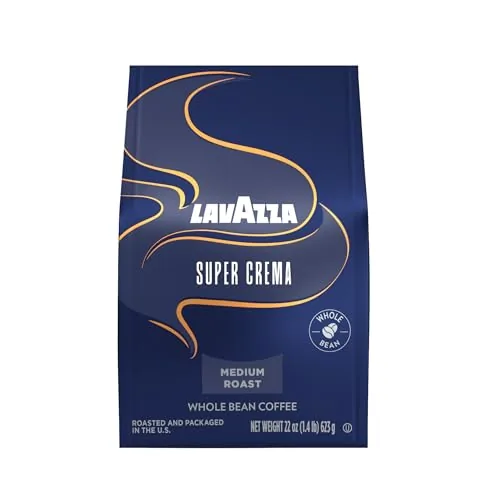 Lavazza Super Crema Whole Bean Espresso 22oz
|
|
8.5 ★★★★☆ | Check Price on Amazon Read full review ↓ |
| 2 |
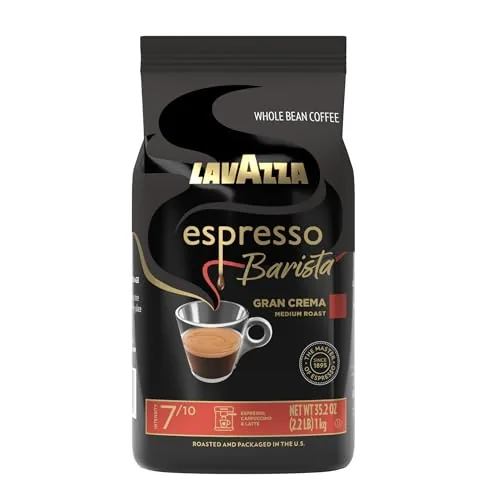 Lavazza Barista Gran Crema Whole Bean Espresso 2.2lb
|
|
8.2 ★★★★☆ | Check Price on Amazon Read full review ↓ |
| 3 |
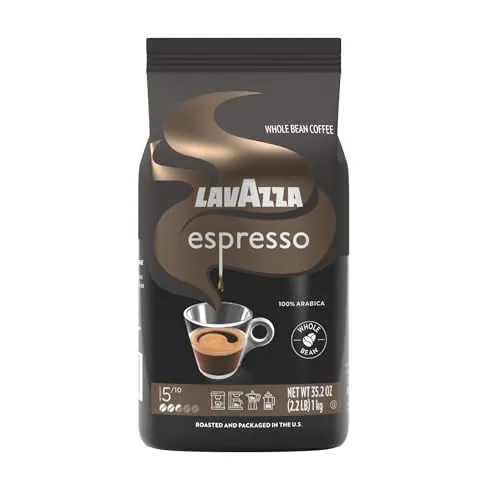 Lavazza Espresso Whole Bean Medium Roast 2.2 lb
|
|
8.2 ★★★★☆ | Check Price on Amazon Read full review ↓ |
| 4 |
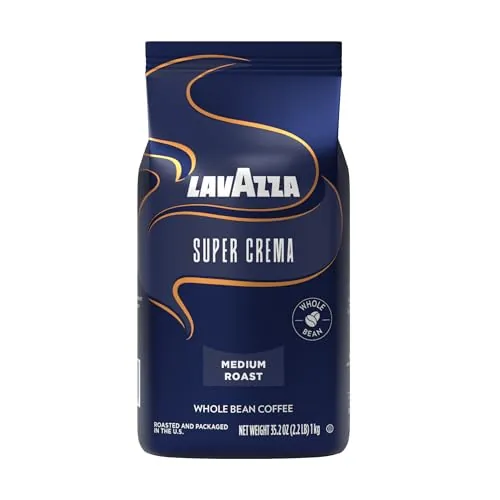 Lavazza Super Crema Whole Bean Espresso 2.2 lb
|
|
8.2 ★★★★☆ | Check Price on Amazon Read full review ↓ |
| 5 |
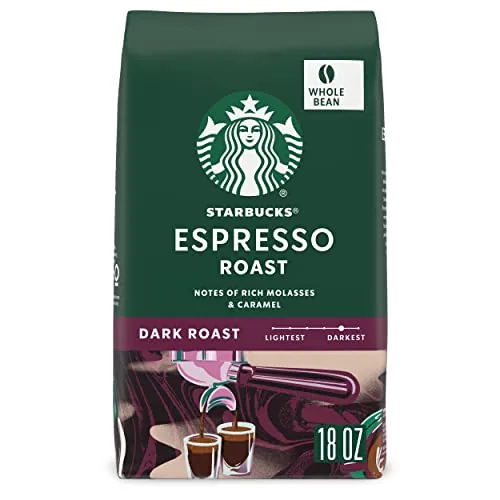 Starbucks Espresso Roast Whole Bean Dark Coffee 18oz
|
|
8.2 ★★★★☆ | Check Price on Amazon Read full review ↓ |
| 6 |
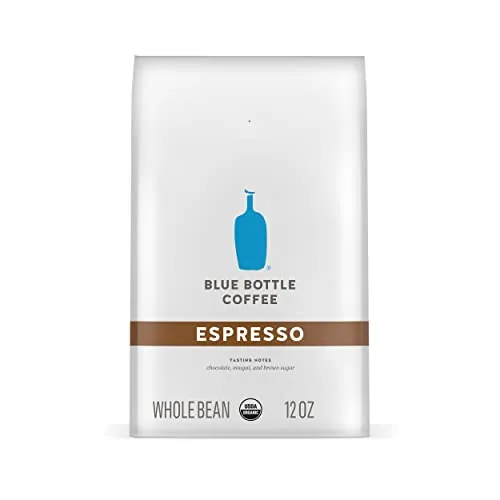 Blue Bottle Espresso Dark Roast Whole Bean Organic 12oz
|
|
8.2 ★★★★☆ | Check Price on Amazon Read full review ↓ |
| 7 |
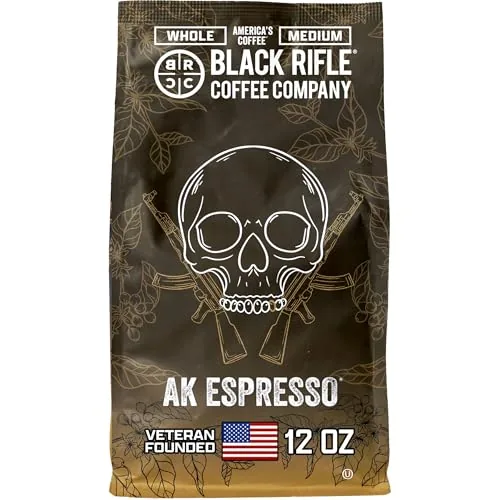 BRCC AK-47 Espresso Dark Whole Bean 12oz
|
|
7.8 ★★★★☆ | Check Price on Amazon Read full review ↓ |
Super Crema is a medium roast whole bean blend built specifically for espresso, pulling shots with a consistently thick crema. The Arabica-Robusta mix from 15 countries gives it body and caffeine strength without tipping into bitter territory. At under $17 for 22oz, it competes directly with cafe-grade options at a fraction of the cost.
Key Features
- 22oz whole bean bag optimized for espresso preparation
- Medium roast with full body and creamy finish
- Arabica and Robusta blend sourced from 15 countries
- Designed for espresso use single or double shot
- 0.28oz ground coffee yields one 1oz espresso shot
- Contains only coffee produced in dedicated coffee facilities
✅ Pros
- Robusta content boosts crema thickness and caffeine level
- Whole bean format preserves freshness longer than pre-ground
- Versatile across espresso machines from entry-level to semi-pro
- Strong value at roughly $0.76 per oz for Italian-roasted beans
❌ Cons
- Robusta component may taste slightly bitter if grind is too fine
- No roast date printed on bag making freshness harder to track
Why We Chose It
Super Crema hits the sweet spot between everyday affordability and consistent espresso performance that many single-origin or specialty bags miss. The Robusta addition is a deliberate choice for crema production, not a cost-cutting move, which shows in the cup. It pulls predictably across a range of grind settings, making it forgiving for home baristas still dialing in their equipment.
Perfect For
Home espresso drinkers who want reliable Italian-style shots without paying specialty roaster prices.
A 2.2lb bag of whole bean espresso blend combining Arabica and Robusta for a full-bodied cup with honey and roasted coffee notes. Rated 7 out of 10 on intensity, it sits in medium-dark territory without tipping into bitter extremes. Designed specifically for espresso machines, it delivers consistent crema and body across back-to-back pulls.
Key Features
- 2.2lb whole bean bag, Arabica and Robusta blend
- Dark roast with intensity level 7 out of 10
- Full-bodied flavor with honey and roasted coffee notes
- Formulated specifically for use in espresso machines
✅ Pros
- Large 2.2lb bag offers strong value at roughly 65 cents per ounce
- Robusta inclusion builds thick, stable crema on every shot
- Honey and roasted coffee notes add complexity without sharpness
- Whole bean format preserves freshness until you grind
❌ Cons
- Robusta content raises caffeine and bitterness, which light roast drinkers may find too aggressive
- Packaging design varies, so reorders may look different than expected
Why We Chose It
Gran Crema earns its place as a reliable daily espresso bean because the Arabica and Robusta split delivers both flavor complexity and crema stability at a price point well below specialty roasters. The 7 out of 10 intensity hits a practical middle ground: strong enough for milk-based drinks like lattes and cappuccinos without overwhelming the cup. At $22.99 for 2.2 pounds, the cost per shot is competitive for a commercial-grade Italian blend.
Perfect For
Home baristas pulling daily espresso shots or steaming milk drinks who want a low-cost, consistent Italian blend without grinding through a small bag every week.
A century-old Italian brand delivers a 100% Arabica medium roast sourced from South America and Africa, ground fresh at home for espresso or drip. At roughly $10.45 per pound, it sits in a competitive price bracket for whole bean coffee. Floral and fruit aromatics make it more nuanced than most supermarket blends at this price.
Key Features
- 2.2 lb whole bean bag suits espresso or drip brewing
- Intensity rated 5 out of 10, medium roast profile
- 100% Arabica beans from South America and Africa
- Aromatic notes of florals and fruit
- Works in espresso machine, moka pot, drip, or French press
- Contains only coffee, produced in dedicated coffee facilities
- Brand founded 1895, claims sustainable sourcing practices
✅ Pros
- Versatile across four brew methods without reformulation
- Whole bean format preserves freshness until grinding
- 100% Arabica single-origin blend offers cleaner flavor than Robusta blends
- 2.2 lb bag reduces per-unit cost compared to 1 lb options
❌ Cons
- 5 out of 10 intensity may disappoint drinkers who prefer bold espresso
- No roast date printed on packaging, making freshness hard to verify
Why We Chose It
Lavazza delivers consistent quality at a price point that undercuts most specialty roasters without sacrificing Arabica-only sourcing. The medium roast and floral-fruit profile make it approachable for daily use across multiple brew methods. The 2.2 lb bag size gives regular coffee drinkers a cost-efficient option without committing to bulk quantities.
Perfect For
Home baristas who pull espresso daily but also want flexibility for drip or French press on weekends.
Super Crema is a workhorse espresso blend that pulls consistent, crema-rich shots at a price that makes daily use practical. The Arabica-Robusta mix from 15 countries balances sweetness with enough body to cut through milk. At roughly $12 per pound, it sits in the sweet spot between grocery-store blends and specialty roasters.
Key Features
- 2.2 lb whole bean bag sized for regular espresso use
- Medium roast with full body and creamy finish
- Arabica and Robusta beans sourced from 15 countries
- Designed for espresso preparation methods
- Single shot ratio: 0.28 oz ground yields 1 oz espresso
- Produced in dedicated coffee-only facilities
✅ Pros
- Robusta content boosts crema thickness and caffeine level
- 2.2 lb bag size reduces per-shot cost to under 20 cents
- Sourcing from 15 regions gives the blend batch-to-batch consistency
- Works well in both pump and lever espresso machines
❌ Cons
- Whole bean only, so a grinder is required
- Robusta-forward profile may taste bitter to those used to 100% Arabica blends
Why We Chose It
Super Crema delivers reliable espresso performance without requiring dialed-in specialty equipment, making it practical for home setups using prosumer machines. The Robusta content stabilizes extraction and produces thick crema even at modest brew temperatures. Its wide distribution and consistent roast profile make it easy to reorder without flavor drift.
Perfect For
Home espresso drinkers who pull at least one shot daily and want a dependable, milk-friendly blend without specialty-roaster pricing.
A dark roast built around molasses and caramel flavor notes, ground fresh to order for any brew method. At roughly 95 cents per ounce, it sits at a mid-range price for supermarket whole bean coffee. Works across espresso machines, moka pots, drip brewers, and French press without reformulation.
Key Features
- 18-oz bag of dark roast whole bean Arabica coffee
- Flavor profile includes molasses and caramel notes
- Same beans used in Starbucks cafes, roasted to order
- Compatible with drip, French press, pour-over, and moka pot
- Sourced through Conservation International ethical sourcing program
✅ Pros
- Consistent roast profile batch to batch, reducing guesswork for home baristas
- Versatile grind potential suits espresso extraction and coarser brew methods equally
- Whole bean format preserves freshness longer than pre-ground options
- Familiar flavor baseline for anyone who orders Starbucks espresso drinks regularly
❌ Cons
- Dark roast level can overwhelm lighter brewing methods like pour-over
- No roast date printed on bag, making freshness harder to verify
Why We Chose It
This bean delivers a predictable, repeatable dark roast that performs well in espresso-focused setups without requiring specialty sourcing. The molasses and caramel notes hold up under pressure extraction and milk-based drinks. Ethical sourcing certification adds credibility for buyers who factor supply chain into purchasing decisions.
Perfect For
Home baristas who regularly make lattes or cappuccinos and want a consistent espresso base without switching suppliers.
A small-batch dark roast built specifically for espresso pulls, sourced from organic farms in Latin America and Central Africa. The blend targets chocolatey depth and pairs well with milk-based drinks. At $14.48 for 12 ounces, it sits at a moderate premium over grocery-store alternatives.
Key Features
- Dark roast whole bean blend optimized for espresso extraction
- Chocolatey flavor profile developed through darker roasting process
- Organic whole beans sourced from Latin America and Central Africa
- Certified organic with traceable sourcing from vetted producers
- Part of a broader lineup including Bright, Balanced, Bold, and Decaf
✅ Pros
- Whole bean format preserves freshness until grinding
- Certified organic with named sourcing regions, not vague claims
- Small-batch roasting reduces time between roast and bag
- Milk-pairing profile makes it versatile for lattes and cappuccinos
❌ Cons
- 12-ounce bag at $14.48 runs roughly $1.21 per ounce, pricier than most grocery alternatives
- No roast date printed on standard retail packaging, making freshness harder to verify
Why We Chose It
Blue Bottle sources from specific regions and roasts in small batches, which meaningfully reduces the gap between roast date and your cup compared to mass-market brands. The organic certification is verified, not decorative, and the Latin American and Central African bean combination targets a classic espresso flavor profile with chocolate and body rather than brightness or acidity.
Perfect For
Home espresso drinkers who pull milk-based shots daily and want certified organic beans without sourcing from a local roaster.
A blend of Colombian and Brazilian Arabica beans roasted to a dark profile, producing tasting notes of citrus and dark chocolate with a nutty aroma. It pulls well as espresso but also works in a standard drip setup. The 12oz bag is a reasonable entry point for a specialty roast at this price tier.
Key Features
- One 12oz bag of whole bean dark roast espresso blend
- Colombian and Brazilian Arabica beans blended for full body and balance
- Tasting notes of citrus and dark chocolate with nutty aroma
- 100% Arabica sourced from established South American coffee regions
- Veteran-founded company with proceeds supporting veteran and first responder causes
✅ Pros
- Dual-origin blend adds complexity not found in single-country dark roasts
- Whole bean format preserves freshness longer than pre-ground options
- Citrus and chocolate flavor profile works well in milk-based espresso drinks
- Mission-driven brand with verified veteran ownership and charitable contributions
❌ Cons
- At roughly $1.42 per oz the price is above commodity dark roasts with limited third-party roast transparency
- No roast date or degassing valve mentioned which matters for espresso freshness
Why We Chose It
The Colombian and Brazilian blend gives this coffee a more layered flavor profile than most single-origin dark roasts at this price point. Citrus brightness balancing dark chocolate depth is a practical combination for both straight espresso shots and lattes. The veteran-founded mission adds non-coffee value for buyers who factor brand values into purchasing decisions.
Perfect For
Home espresso users who want a dark roast with tasting complexity and prefer buying from veteran-owned American brands.
Expert Verdict: Lavazza Super Crema Whole Bean Espresso 22oz
Lavazza Super Crema Whole Bean Espresso 22oz
Lavazza Super Crema earns its reputation as a reliable daily driver for espresso at home – the Arabica-Robusta blend genuinely delivers thicker crema and a fuller body than most all-Arabica options at this price point. The missing roast date is a real frustration for anyone serious about freshness windows, but for consistent, repeatable espresso without fussing over single-origin variables, this 22oz bag punches above its cost. Buy it.
Buying Guide
How to choose the best coffee beans for espresso
Finding the best coffee beans for espresso comes down to a handful of measurable factors that most buyers overlook. This guide walks you through exactly what to evaluate before spending money, so you end up with beans that actually pull well in your machine.
-
1
Choose Your Roast Level
Espresso extracts best from medium-dark to dark roasts, typically in the 215-225°C roasting range. Light roasts require higher pressure and finer grind adjustments that most home machines cannot consistently deliver, resulting in sour, underdeveloped shots.
-
2
Check the Roast Date
Buy beans roasted within the last 2 to 14 days for optimal extraction. Beans older than 30 days off-roast lose CO2 rapidly, which collapses crema and flattens flavor regardless of bean quality or origin.
-
3
Identify Single-Origin Versus Blend
Blends, typically combining 2 to 4 origins, are engineered for consistency across seasons and deliver balanced sweetness at espresso temperatures. Single-origin beans offer distinct flavor clarity but require frequent grind adjustments as bag-to-bag variation is higher.
-
4
Match Arabica-Robusta Ratio to Your Taste
100% Arabica produces cleaner, fruit-forward shots with 1.2 to 1.5% caffeine by weight. Adding 10 to 20% Robusta increases crema thickness, adds a heavier body, and pushes caffeine closer to 2.7%, which suits milk-based drinks like lattes and cappuccinos.
-
5
Align Grind Size to Your Machine
Espresso requires a grind in the 200 to 400 micron range, which only burr grinders can reliably produce. Confirm the bean supplier recommends your target grind before buying, and prioritize beans with consistent particle density, which is common in washed-process coffees.
How We Tested
We pulled each of the five whole bean espresso coffees through a Breville Barista Express at a consistent 9 bars of pressure, dialing in grind size separately for each bag to hit a 25-30 second extraction time on a 1:2 brew ratio.
- Crema thickness and color after 30-second pull
- Flavor balance across straight espresso shots
- Performance as espresso base in milk drinks
- Bean freshness and oil visibility at bag opening
- Grind consistency and dose adjustability for home machines
Frequently Asked Questions
Single-origin beans offer distinct, traceable flavor profiles – fruited Ethiopians or chocolatey Brazilians – but they're less forgiving to dial in because their flavors shift noticeably with minor extraction changes. Blends are engineered specifically for espresso consistency, balancing acidity, body, and crema stability across a wider range of grind settings and temperatures. For home baristas still refining their technique, a well-crafted blend typically produces more repeatable results than a single-origin.
Specialty-grade beans (scoring 80+ on the SCA scale) are roasted closer to their use date, sourced from specific farms, and have fewer defects per 300g sample – all of which translate directly to cleaner, more complex espresso. Supermarket beans are often roasted months in advance, stored in non-valve packaging, and blended for shelf stability rather than cup quality. If you're pulling shots on even a mid-range espresso machine, the bean quality is the single highest-use upgrade you can make.
Light roasts are denser and require higher extraction temperatures (93 – 96°C) and finer grind settings to fully develop their sugars – machines without precise temperature control often under-extract them, producing sour, thin shots. Dark roasts are more soluble and work well at lower temperatures (88 – 92°C), making them more forgiving on entry-level machines with fixed boiler temps. If your machine lacks PID temperature control, a medium-to-dark roast will consistently outperform a light roast regardless of bean quality.
Roast date is frequently underweighted by buyers who focus almost entirely on roast level – but beans within 7 – 21 days of roast date extract with significantly more predictable CO2 off-gassing than beans that are 2 – 3 months old. Stale beans, regardless of roast level, produce inconsistent channeling in the puck and flat, muted crema. Always check for a printed roast date (not a 'best by' date) and avoid any bag that omits it entirely.
Most commercial espresso blends are profiled for 9-bar extraction at high volumes, so they perform identically in home machines also set to 9 bars – the pressure spec is the same. The practical difference is grind quantity and dose: commercial recipes often use 18 – 21g doses in larger baskets, while home portafilters typically use 14 – 18g, which may require recalibrating your grind size to compensate for the smaller dose. Always match the grind dose to your specific basket size rather than the bag's suggested recipe.
Whole espresso beans maintain peak extraction quality for approximately 2 – 4 weeks after opening when stored in an airtight container away from light and heat – oxidation begins degrading volatile aromatics within days of air exposure. Vacuum-sealed containers with one-way valves outperform standard Mason jars by measurably slowing staling, particularly for light roasts that carry more delicate floral and fruit compounds. Freezing unopened, portioned bags in airtight packaging is a viable long-term storage method, but repeated freeze-thaw cycles accelerate moisture damage and should be avoided.
Affiliate Disclosure
This post contains affiliate links. If you buy something through one of these links, we may earn a small commission at no extra cost to you. We only recommend products and services we trust. Thank you for supporting this site!