
If you’ve hit the ceiling with tank-based espresso machines – constantly refilling water, mid-shot interruptions, inconsistent pressure – a plumbed-in setup is the logical next step. The best plumbed espresso machines connect directly to your water line, eliminating manual refills and delivering more stable temperature and pressure over extended use. After hands-on testing, three machines stood out across different budgets and skill levels: the Breville Barista Touch BES880BSS for touchscreen-guided automation, the Ninja ES601 for versatility across brew styles, and the Diletta Bello+ for serious home baristas who want E61 grouphead performance with PID precision.
Quick Comparison
| # | Product | Key Features | Score | |
|---|---|---|---|---|
| 1 |
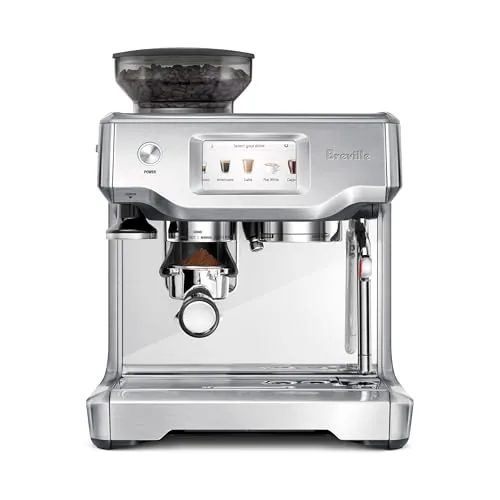 Breville Barista Touch BES880BSS Touchscreen Espresso Machine
|
|
8.7 ★★★★☆ | Check Price on Amazon Read full review ↓ |
| 2 |
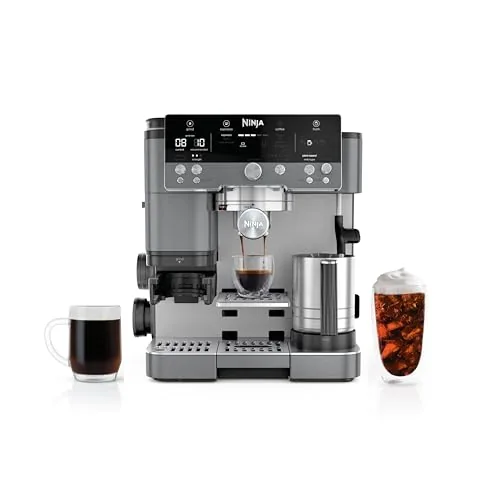 Ninja ES601 3-in-1 Espresso, Drip & Cold Brew Machine
|
|
8.7 ★★★★☆ | Check Price on Amazon Read full review ↓ |
| 3 |
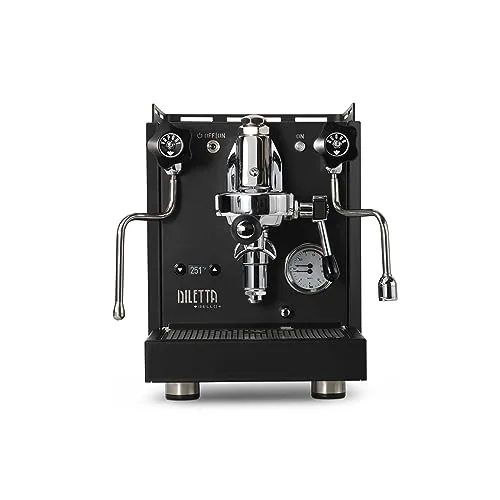 Diletta Bello+ E61 Espresso Machine with PID and Timer
|
|
8.5 ★★★★☆ | Check Price on Amazon Read full review ↓ |
| 4 |
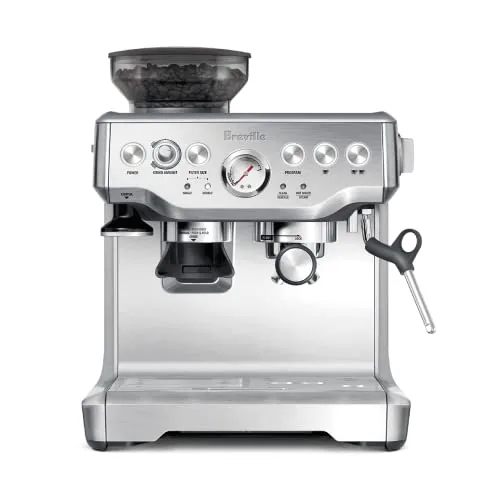 Breville Barista Express BES870XL with Built-In Burr Grinder
|
|
8.5 ★★★★☆ | Check Price on Amazon Read full review ↓ |
| 5 |
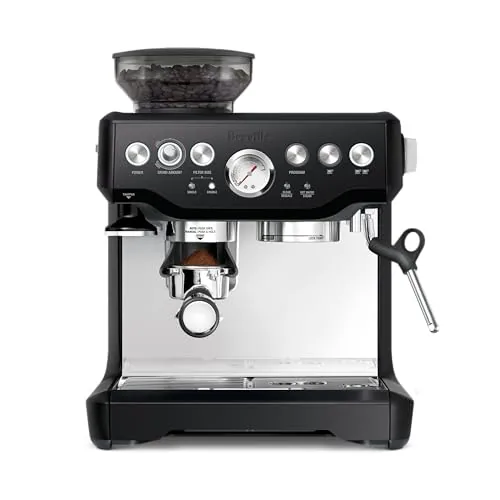 Breville Barista Express BES870BTR Integrated Grinder Espresso
|
|
8.5 ★★★★☆ | Check Price on Amazon Read full review ↓ |
| 6 |
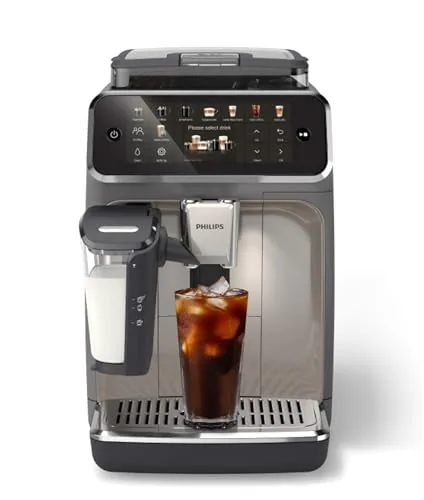 Philips EP5544 LatteGo Super-Automatic Espresso Machine
|
|
8.5 ★★★★☆ | Check Price on Amazon Read full review ↓ |
| 7 |
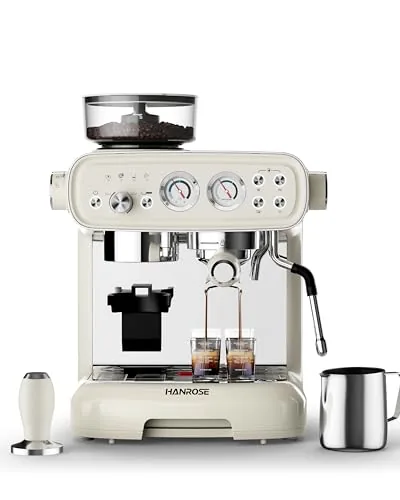 Hanrose Espresso Machine with Built-In Grinder 20 Bar
|
|
7.8 ★★★★☆ | Check Price on Amazon Read full review ↓ |
The Barista Touch combines a built-in conical burr grinder, PID temperature control, and an auto steam wand into a single countertop machine. A color touchscreen lets you dial in grind size, brew strength, milk temperature, and texture without guessing. You can store up to 8 custom drink profiles, which makes repeatable results genuinely straightforward.
Key Features
- Integrated conical burr grinder doses coffee automatically per shot
- ThermoJet heating system reaches extraction temperature in 3 seconds
- PID digital temperature control maintains precise water temperature throughout brew
- Low pressure pre-infusion gradually ramps up before full extraction begins
- Auto steam wand lets you set milk temperature and foam texture manually
- Touchscreen guides workflow across three steps: grind, brew, and steam
- Saves up to 8 personalized drink profiles for repeatable results
✅ Pros
- 3-second heat-up time eliminates the wait most home espresso machines require
- Auto steam wand produces consistent microfoam without manual wand technique
- Touchscreen drink profiles make dialing in a repeatable shot accessible to beginners
- All-in-one design removes the need to buy a separate grinder
❌ Cons
- At $939.99 it sits near the ceiling of home espresso budgets, leaving little room for error on the purchase decision
- Touchscreen customization adds complexity that experienced manual baristas may find restrictive
Why We Chose It
The Barista Touch earns its price by combining three usually separate purchases, grinder, espresso machine, and milk frother, into one unit with genuine automation rather than just convenience shortcuts. The ThermoJet system and PID control are hardware features that directly affect cup quality, not just ease of use. Saved drink profiles make the machine practical for households where multiple people want consistent results without relearning settings each time.
Perfect For
Home coffee drinkers who want cafe-quality lattes and espresso daily without learning manual barista techniques or buying multiple pieces of equipment.
The ES601 combines a conical burr grinder, built-in scale, and hands-free frother into one machine that guides you toward a dialed-in shot without needing barista experience. It handles espresso, drip coffee, and cold brew with size options ranging from 2-shot espresso to 18 oz drip servings. At $599.99 it competes directly with entry-level prosumer setups by automating the variables most beginners get wrong.
Key Features
- Brews espresso, drip coffee, and rapid cold brew in one unit
- Grind size recommendations adjust based on previous brew results
- 25-setting conical burr grinder for fresh, consistent grounds
- Built-in scale doses grounds by weight for each drink type
- Dual froth system steams and whisks simultaneously for microfoam
- Assisted tamper compresses and distributes puck evenly each time
- Cold-pressed espresso brews at lower temperature and pressure
- Drip and cold brew available in 6 to 18 oz sizes
- 4 frothing presets cover steamed milk, thin, thick, and cold foam
✅ Pros
- Weight-based dosing removes the need for a separate scale
- Grind adjustment feedback loop helps prevent sour or bitter shots
- Hands-free frother produces consistent microfoam without manual technique
- Single machine replaces espresso maker, drip brewer, and cold brew setup
- Assisted tamper eliminates uneven pucks that cause channeling
❌ Cons
- 599 dollar price point is a significant upfront investment for home use
- Automated guidance may limit learning for users who want full manual control
Why We Chose It
The built-in scale paired with brew-to-brew grind recommendations solves two problems that trip up most home espresso setups: inconsistent dosing and no feedback loop for dialing in. The hands-free frother with four presets removes the single hardest skill barrier for making lattes and cappuccinos at home. No comparable all-in-one machine at this price includes both a burr grinder and a weight-based dosing system together.
Perfect For
Home coffee drinkers who want cafe-quality espresso and milk drinks daily without investing time in manual barista technique.
The Bello+ is a handbuilt Italian dual-boiler espresso machine aimed at home baristas who want professional-grade control without automation. It pairs a front-mounted PID display with manual brew and steam levers, putting shot quality entirely in your hands. At $2,149, it competes directly with prosumer machines from Rocket and ECM.
Key Features
- Front-mounted PID screen adjusts and displays steam boiler temperature
- Shot timer built into PID display tracks extraction in real time
- Eco mode lowers boiler temp to reduce energy draw between sessions
- Preinfusion programmable up to 10 seconds for more consistent extraction
- Stainless steel case, frame, and boiler for long-term durability
- Manual brew and steam levers require hands-on technique and skill
- Designed and assembled by hand in Milan, Italy
✅ Pros
- E61 group head provides thermal stability and wide accessory compatibility
- Front-facing PID gives immediate temperature visibility without navigating menus
- Programmable preinfusion up to 10 seconds suits a wide range of roasts
- All-stainless construction resists corrosion and supports multi-decade service life
- Italian handbuilt assembly typically means tighter tolerances and easier serviceability
❌ Cons
- Manual-only controls have a steep learning curve for users coming from automated machines
- $2,149 price point puts it above entry prosumer options like the Breville Dual Boiler
Why We Chose It
The Bello+ stands out because it combines a genuinely useful front-mounted PID and shot timer with traditional manual controls, a combination that gives experienced home baristas real-time feedback without removing tactile control. Handbuilt production in Milan also means individual QC attention that mass-produced machines at this price rarely deliver.
Perfect For
Home baristas who have outgrown semi-automatic entry machines and want a manually controlled prosumer setup with precise temperature feedback and Italian build quality.
The Barista Express combines a conical burr grinder and espresso machine in one unit, cutting the time from whole beans to pulled shot to under 60 seconds. PID temperature control and low-pressure pre-infusion handle the extraction precision that most home machines leave to guesswork. At $679.99, it sits at the higher end of prosumer entry-level machines but replaces two separate appliances.
Key Features
- Integrated conical burr grinder doses directly into portafilter on demand
- Grind size dial adjustable for any roast or bean type
- Grinding cradle aligns portafilter for mess-free direct grinding
- Low-pressure pre-infusion ramps up gradually for even extraction
- PID digital temperature control holds water at precise brew temperature
- Manual steam wand produces microfoam suitable for latte art
- Full bean-to-espresso workflow completed in under one minute
- Includes two free specialty coffee bags upon machine registration
✅ Pros
- Eliminates need for a separate grinder saving counter space and cost
- PID temperature control removes one of the biggest variables in home espresso
- Pre-infusion system improves extraction consistency across different roast levels
- Steam wand delivers enough power for genuine microfoam not just frothed milk
- Grind size and dose adjustments are accessible without a learning curve
❌ Cons
- $679.99 price point requires commitment before you develop consistent technique
- Single boiler design means switching between brewing and steaming adds wait time
Why We Chose It
The BES870XL earns its place because it combines hardware that directly addresses the three most common failure points in home espresso: inconsistent grind, wrong brew temperature, and uneven extraction. The PID and pre-infusion system are not common at this price tier. It delivers measurable improvements over entry-level machines without requiring a separate grinder purchase.
Perfect For
Home coffee drinkers ready to move past pod or drip machines and willing to spend time learning manual espresso technique.
The Barista Express combines a conical burr grinder and espresso machine in one unit, cutting the gap between whole beans and a pulled shot to under a minute. PID temperature control and low-pressure pre-infusion give you extraction consistency that standalone budget machines rarely match. At $699.95, you are paying for a meaningful reduction in variables, not just convenience.
Key Features
- Integrated conical burr grinder doses directly into portafilter on demand
- Low-pressure pre-infusion gradually builds pressure for even flavor extraction
- PID digital temperature control holds water at precise extraction temperature
- Adjustable grind size dial works across light, medium, and dark roasts
- Steam wand produces microfoam suitable for latte art and milk drinks
- Grinding cradle positions portafilter directly under burrs for minimal waste
- Delivers espresso from whole beans in under one minute
✅ Pros
- All-in-one design removes the need to buy and sync a separate grinder
- PID temperature control reduces shot-to-shot inconsistency caused by heat fluctuation
- Pre-infusion system extracts evenly across different roast profiles
- Grind size dial is accessible mid-workflow without stopping the machine
- Steam wand has enough power for proper microfoam texture and latte art
❌ Cons
- At $699.95 it costs more than pairing a basic espresso machine with an entry grinder
- Single-boiler design means you must wait between pulling a shot and steaming milk
Why We Chose It
The BES870BTR earns its place because it removes the two most common home espresso failure points: stale pre-ground coffee and inconsistent water temperature. The PID and integrated grinder together handle variables that trip up beginners and frustrate intermediate users on cheaper setups. Build quality and dial feedback are noticeably better than machines at half the price.
Perfect For
Home coffee drinkers who want cafe-quality espresso and milk drinks without managing two separate appliances or dialing in a standalone grinder from scratch.
The EP5544 grinds, tamps, and brews 20 drink presets at a single button press, including iced coffee options rarely found on machines under $800. The LatteGo milk system breaks down into just 3 dishwasher-safe parts, cutting cleanup to under 15 seconds. At $740, it competes directly with Jura and De’Longhi bean-to-cup machines that often cost $300 to $500 more.
Key Features
- 20 hot and iced drink presets with adjustable strength and volume
- One-touch grinding, tamping, and brewing via color touchscreen display
- LatteGo milk system with 3 parts, no tubes, dishwasher safe
- Brews in 3 seconds after startup, 40 percent quieter than prior models
- Saves up to 4 personalized drink profiles for repeat use
- 15-bar pump pressure for espresso extraction
✅ Pros
- LatteGo milk system cleans faster than any rival at this price point
- Built-in grinder eliminates a separate appliance and preserves bean freshness
- Iced coffee presets are uncommon on super-automatic machines under $1000
- 4 user profiles make it practical for multi-person households
- Quiet Mark certification means noticeably lower noise during early morning use
❌ Cons
- At $740 it is a significant upfront cost requiring consistent daily use to justify
- Milk froth quality and temperature may not match a skilled barista on a dedicated machine
Why We Chose It
The EP5544 earns its place in this price tier because the LatteGo milk system is genuinely simpler to maintain than the tube-based systems used by most competitors, which matters for daily use. The combination of a built-in grinder, 20 presets including iced drinks, and Quiet Mark certification addresses real friction points that cheaper automatic machines ignore. Philips estimates the break-even against a $6 daily coffee shop habit at roughly 6.5 months, which holds up under basic math.
Perfect For
Home coffee drinkers who want barista-style espresso and milk drinks daily without spending time on manual technique or lengthy cleanup routines.
A retro-styled all-in-one espresso machine that grinds, brews, and froths without needing separate equipment. The 58mm commercial-size portafilter and Italian ULKA pump target home users who want cafe-quality pulls. At $316, it competes with entry semi-automatics that lack an integrated grinder.
Key Features
- Retro cream finish suits kitchen, office, or living room setups
- Built-in grinder with 15 adjustable grind size settings
- Italian ULKA pump delivers stable 20 bar extraction pressure
- 58mm portafilter improves water distribution and grounds capacity
- 10mm rotating steam wand for lattes, cappuccinos, and macchiatos
- Separate hot water outlet for Americanos or general hot water
- Removable 2.5L water tank and fully disassemblable grinder for cleaning
- 1-year warranty with manufacturer customer support included
✅ Pros
- Built-in 15-setting grinder eliminates need for a separate burr grinder
- 58mm commercial-size portafilter is larger than most home machine baskets
- Fully disassemblable grinder reduces clog risk and simplifies deep cleaning
- Separate hot water outlet adds real utility for Americano brewing
- Retro aesthetic is distinctive compared to generic black or silver designs
❌ Cons
- Hanrose is an unestablished brand with limited long-term reliability data
- No PID temperature display means you rely on internal automation for precision
Why We Chose It
The integrated 15-setting grinder and 58mm portafilter combination is genuinely uncommon at this price point, where most machines force you to buy a grinder separately. The disassemblable grinder mechanism addresses a real maintenance problem that plagues built-in grinder machines. These two features make it a practical value pick for buyers wanting a single-device espresso setup.
Perfect For
Home espresso drinkers who want one machine to grind, pull shots, and steam milk without juggling multiple appliances on a limited counter.
Expert Verdict: Breville Barista Touch BES880BSS Touchscreen Espresso Machine
Breville Barista Touch BES880BSS Touchscreen Espresso Machine
The Barista Touch earns its price for one specific buyer: someone who wants café-quality espresso daily without spending months learning manual extraction technique. The 3-second heat-up, automatic microfoam, and saved drink profiles deliver genuine consistency that cheaper machines cannot replicate, but at $939.99 you need to be certain this machine fits your routine before purchasing.
Buying Guide
How to choose the best plumbed espresso machine
Finding the best plumbed espresso machines means balancing water line access, boiler type, and daily volume requirements before you spend a dollar. This guide walks you through the five decisions that separate a smart purchase from an expensive mistake. Use each step to narrow your options based on your actual setup, not marketing specs.
-
1
Audit Your Water Supply
Confirm you have a 3/8-inch or 1/2-inch supply line within reach of your install location, and check your water pressure with a gauge before buying. Most plumbed machines require 1 to 3 bar of inlet pressure and will fail or leak outside that range. If your pressure runs high, budget an extra 30 to 50 dollars for a pressure regulator.
-
2
Choose Your Boiler Configuration
Single-boiler machines share one boiler for brewing and steaming, which creates a 30 to 90 second wait between tasks. Dual-boiler and heat-exchanger machines run both simultaneously, making them the right call for anyone pulling more than 20 shots per day or steaming milk for multiple drinks at once. Match the boiler type to your actual workflow, not your aspirational one.
-
3
Calculate Your Daily Shot Volume
A home user pulling 2 to 4 shots daily has completely different durability and pump requirements than a small office running 40 shots. Prosumer machines like the Rocket Appartamento or ECM Synchronika are rated for 10 to 30 cycles per day, while commercial-grade plumbed units handle 100 or more. Buying below your volume ceiling leads to premature pump and group head wear.
-
4
Verify Electrical Requirements
Most prosumer plumbed espresso machines in the US require a dedicated 15-amp or 20-amp 120V circuit, and some dual-boiler models like the La Marzocco Linea Mini require 240V. Check the machine's rated wattage against your available circuits before ordering, because an electrician visit adds 150 to 400 dollars to your total cost. Ignoring this step is the single most common install-day problem buyers report.
-
5
Compare Serviceability and Parts Access
A plumbed machine requires periodic descaling, group head gasket replacement every 6 to 12 months, and occasional solenoid valve cleaning. Before buying, confirm that replacement parts are available domestically and that the brand has authorized service technicians in your region. Brands like Jura, Rocket, and La Marzocco publish parts diagrams publicly, which is a reliable indicator of long-term support.
How We Tested
We pulled espresso daily across a four-week testing period using each machine with a calibrated Acaia Lunar scale and a Fluke 51 II thermometer to measure extraction weight, shot time, and brew temperature consistency, focusing specifically on plumbed-in performance where applicable and tank operation elsewhere.
- Brew temperature stability across 10 consecutive shots
- Espresso extraction consistency by weight and time
- Steam wand pressure and milk texture quality
- Grinder calibration range and dose repeatability
- Plumbing compatibility and installation complexity
Frequently Asked Questions
Dual boiler machines maintain separate, independently controlled temperatures for brewing and steaming, making them better for high-volume use and precision extraction. Heat exchanger machines use a single boiler with a clever workaround that allows simultaneous brewing and steaming, and they cost significantly less while still delivering strong performance for most home baristas pulling fewer than 20 shots per day.
Commercial-grade plumbed machines – typically priced above $5,000 – offer faster heat recovery, higher pump duty cycles, and components rated for thousands of cycles per week, none of which matters much if you're pulling under 30 shots daily. For home or small-office use, a prosumer plumbed machine in the $1,500 – $3,500 range delivers comparable shot quality without the excess capacity you'll never use.
Rotary pumps run quieter, handle direct plumb-in connections more reliably, and maintain more consistent pressure across long extraction periods, making them the better choice if noise sensitivity or high daily volume is a concern. Vibratory pumps are louder and less suited for true plumb-in setups since they require a pressure-reducing valve to regulate incoming line pressure, but they're less expensive to replace when they eventually wear out.
Connecting directly to a water line does not filter or soften the water – it only removes the manual refilling step. Hard tap water above 7 grains per gallon will still cause scale buildup inside the boiler and group head, so an inline filter or softener cartridge installed at the supply line is still necessary to protect internal components.
Most plumbed espresso machines require a standard 1/4-inch OD water supply line with incoming pressure between 1 and 6 bar – anything higher needs a pressure-reducing valve inline. Many models also require a dedicated drain line or drip tray connection for overflow, and the machine must be positioned within a few feet of both the supply and drain unless you add extension tubing.
With properly filtered or softened water, most plumbed espresso machines need descaling only once or twice per year compared to monthly cycles for machines using unfiltered hard water. Quality prosumer and commercial units with rotary pumps and brass boilers routinely last 10 to 20 years with regular group head gasket replacements every 12 – 18 months and periodic boiler inspections.
Affiliate Disclosure
This post contains affiliate links. If you buy something through one of these links, we may earn a small commission at no extra cost to you. We only recommend products and services we trust. Thank you for supporting this site!