
Finding the best decaf espresso beans is harder than it sounds – most decaf options sacrifice body and flavor depth in the process of removing caffeine, leaving you with a flat, papery shot that barely resembles espresso. After testing dozens of bags across multiple brew methods, three options consistently delivered genuine espresso character without the caffeine: Kicking Horse Decaf Dark Roast (10oz), Allegro Decaf Organic Espresso Bel Canto (12oz), and Lavazza DEK Decaf Espresso Blend (1.1lb). Whether you’re pulling shots after 6pm, managing caffeine sensitivity, or sharing your machine with someone who can’t handle stimulants, this breakdown will tell you exactly which bag belongs in your grinder.
Quick Comparison
| # | Product | Key Features | Score | |
|---|---|---|---|---|
| 1 |
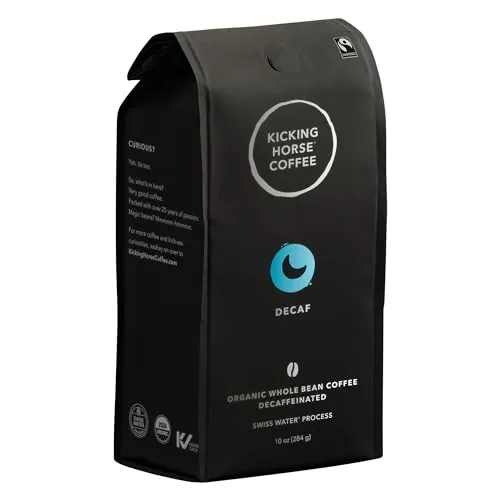 Kicking Horse Decaf Dark Roast Whole Bean 10oz
|
|
8.5 ★★★★☆ | Check Price on Amazon Read full review ↓ |
| 2 |
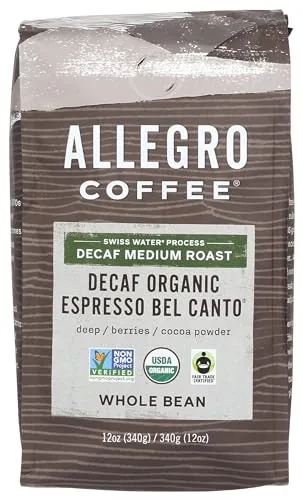 Allegro Decaf Organic Espresso Bel Canto Whole Bean 12oz
|
|
8.2 ★★★★☆ | Check Price on Amazon Read full review ↓ |
| 3 |
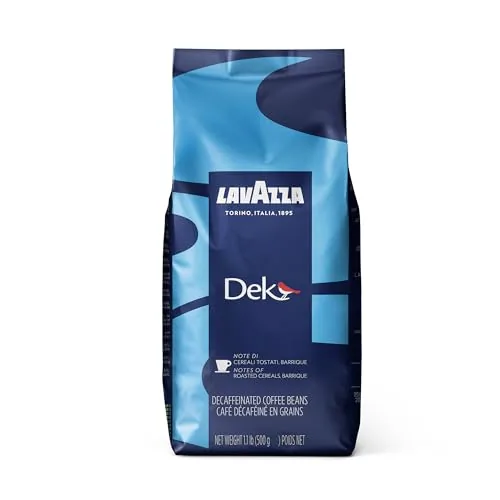 Lavazza DEK Decaf Whole Bean Espresso Blend 1.1lb
|
|
8.2 ★★★★☆ | Check Price on Amazon Read full review ↓ |
| 4 |
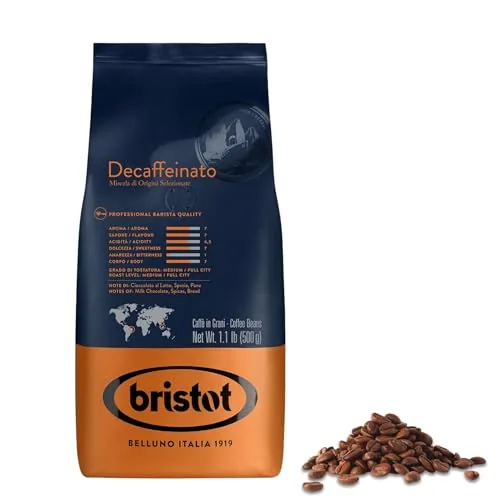 Bristot Decaf Espresso Beans Medium Roast 500g
|
|
8.2 ★★★★☆ | Check Price on Amazon Read full review ↓ |
| 5 |
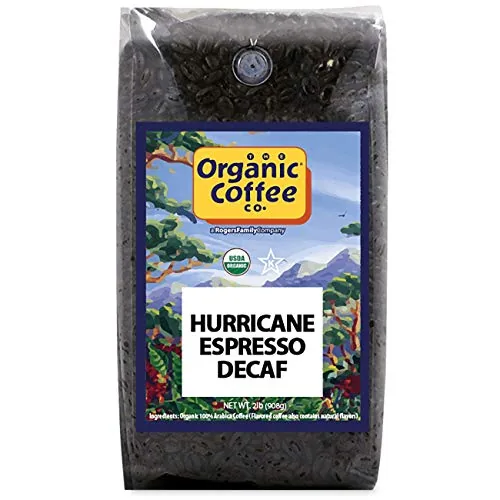 Organic Coffee Co. Hurricane Decaf Espresso Whole Bean 2LB
|
|
8.2 ★★★★☆ | Check Price on Amazon Read full review ↓ |
| 6 |
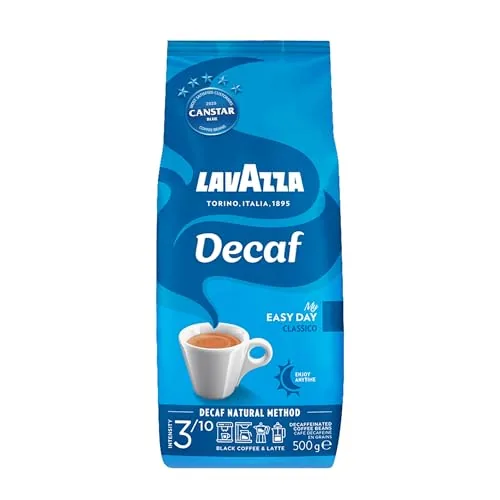 Lavazza Decaf Espresso Whole Bean 1.1 lb Italian Roast
|
|
8.2 ★★★★☆ | Check Price on Amazon Read full review ↓ |
| 7 |
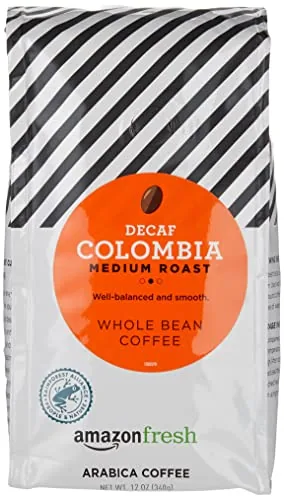 Amazon Fresh Decaf Colombia Whole Bean Medium Roast 12oz
|
|
7.8 ★★★★☆ | Check Price on Amazon Read full review ↓ |
A Swiss Water Process decaf that skips chemicals entirely, delivering a dark roast with roasted hazelnut and deep chocolate notes. Certified organic, Fairtrade, and Kosher, it suits buyers who want ethical sourcing without sacrificing flavor intensity. At $1.59 per ounce, it sits at the premium end of decaf but competes with specialty roasters.
Key Features
- Swiss Water Process decaf, no chemical solvents used
- Dark roast with hazelnut, chocolate, and earthy tasting notes
- Roasted at a single-purpose facility in the Canadian Rockies
- Deep chocolate aroma with nutty complexity
- Certified organic and Fairtrade, sustainably sourced beans
- 100% Arabica beans, shade grown at higher elevations
- Works with French Press, drip, pour over, and espresso
✅ Pros
- Swiss Water Process preserves flavor while avoiding chemical decaffeination
- Triple certification: organic, Fairtrade, and Kosher adds verified credibility
- No additives, preservatives, or flavorings in the roasting process
- Versatile grind works across four common brew methods
❌ Cons
- 10oz bag is small for daily drinkers, raising cost per cup
- Dark roast level may overwhelm lighter palate preferences
Why We Chose It
Kicking Horse uses Swiss Water Process decaffeination, which removes caffeine without synthetic solvents, a meaningful distinction most budget decafs skip. The Rocky Mountain facility roasts only coffee with no additives, which is verifiable and not just a marketing claim. Three independent certifications add accountability beyond the brand’s own language.
Perfect For
Coffee drinkers who want a bold, full-flavored decaf with clean sourcing credentials and no chemical processing.
A USDA-certified organic decaf espresso roast that delivers a medium-bodied cup with berry and cocoa notes without caffeine. The whole bean format preserves freshness until grinding, which matters for espresso extraction quality. At roughly $1 per ounce, it sits at a mid-tier price point for specialty organic decaf.
Key Features
- Certified organic whole bean espresso, medium roast
- Flavor profile includes berries and cocoa powder notes
- Specialty-grade beans, no artificial additives or fillers
- 12 oz bag of whole bean coffee
✅ Pros
- Organic certification removes pesticide concerns common in conventional decaf
- Whole bean format lets you grind fresh for better espresso extraction
- Berry and cocoa tasting notes offer complexity beyond typical flat decaf profiles
- Medium roast balances brightness and body, suitable for espresso and drip
❌ Cons
- No indication of decaffeination method on listing, which matters for purists
- 12 oz bag depletes quickly for daily espresso drinkers at higher cost per ounce
Why We Chose It
Allegro Bel Canto stands out because it targets decaf drinkers who refuse to sacrifice flavor complexity, offering a layered berry-cocoa profile rarely found in decaf espresso. The organic whole bean format signals quality control from farm to bag. It fills a specific gap for evening espresso drinkers who need caffeine-free options without bland results.
Perfect For
Home espresso drinkers who are caffeine-sensitive but unwilling to settle for flat, one-dimensional decaf coffee.
A natural-process decaf that holds up to espresso extraction without the hollow flavor typical of many decafs. The dark roast delivers roasted cereal and barrique oak notes with a creamy body. Sourced from Arabica and Robusta, blended and roasted in Italy for consistent results.
Key Features
- 1.1 lb bag of decaffeinated Italian whole coffee beans
- Dark roast with creamy body, roasted cereal, and barrique notes
- Decaffeinated using a natural water-based process
- Blended and roasted in Italy
- Optimized for espresso machine brewing
- Produced in a dedicated nut-free facility, contains only coffee
✅ Pros
- Natural decaffeination process avoids chemical solvent residues
- Arabica and Robusta blend adds crema and body typical of espresso
- Whole bean format preserves freshness longer than pre-ground
- Roasted in Italy ensures consistent roast profile across batches
- Nut-free facility is a concrete plus for allergy-sensitive households
❌ Cons
- Best results require an espresso machine, limiting brewing versatility
- Barrique and dark roast profile may overpower lighter palates
Why We Chose It
Lavazza DEK stands out among decaf options because the natural decaffeination process and whole bean format both work in favor of cup quality. The Robusta inclusion is a deliberate choice that gives the shot crema and weight that purely Arabica decafs often lack. At roughly 19 dollars per pound, it sits at a fair price point for an imported Italian whole bean decaf.
Perfect For
Espresso drinkers who want an evening shot without caffeine but refuse to compromise on crema, body, or roast complexity.
Bristot has roasted espresso in northern Italy since 1919, and this decaf blend delivers a measurable flavor profile rather than a watered-down substitute. The 65% Robusta and 35% Arabica ratio produces a full-bodied shot with genuine crema, which most decaf beans fail to achieve. Milk chocolate and warm spice notes come through clearly at a medium full-city roast level.
Key Features
- 35% Arabica and 65% Robusta blend for body and crema
- Roasted in Italy near the Dolomites since 1919
- Medium full-city roast with low bitterness
- Flavor notes of milk chocolate, bread crust, and warm spices
- Acidity level rated 6.5 out of 10 for balance
- Best-by date printed in Day/Month/Year European format
✅ Pros
- High Robusta ratio produces real crema uncommon in decaf espresso
- Specific acidity rating of 6.5 gives buyers a concrete flavor expectation
- Roasted in Italy by a century-old producer not a repackager
- 500g bag offers reasonable value at under 40 dollars per kilogram
❌ Cons
- European date format on packaging causes confusion for North American buyers
- Robusta-heavy blend may not satisfy drinkers who prefer bright Arabica character
Why We Chose It
The 65% Robusta composition sets this apart from decaf blends that default to 100% Arabica and produce thin, crema-poor shots. Bristot publishes a specific acidity score and detailed tasting notes, which signals genuine quality control rather than vague marketing. The century-long roasting history in Italy adds credibility that newer specialty brands cannot match.
Perfect For
Espresso drinkers who want a full-bodied, crema-rich shot in the evening without caffeine but refuse to compromise on texture and flavor.
A water-processed decaf espresso blend in a generous 2-pound bag, roasted to medium-dark for full body without bitterness. USDA Organic certification and natural decaffeination mean no chemical solvents touch the beans. Versatile enough for espresso machines, French press, or drip brewers.
Key Features
- Water-processed decaf blend with full body and calm finish
- Compatible with drip, espresso, French press, Aeropress, moka pot
- Sustainably grown and packaged Arabica beans
- Roasted and packaged in the USA by a family company
- USDA Organic certified across whole bean and ground varieties
✅ Pros
- Natural water process avoids chemical decaffeination solvents
- 2-pound bag offers strong value at roughly $1.03 per ounce
- Medium-dark roast delivers bold flavor without harsh bitterness
- Works across virtually every common brewing method
- USDA Organic certification adds verified sourcing accountability
❌ Cons
- No roast date printed on packaging making freshness hard to verify
- Single blend option limits customization for those preferring single-origin decaf
Why We Chose It
The water-process decaffeination is the clearest differentiator here, removing caffeine without synthetic chemicals, which matters to health-conscious buyers already seeking organic certification. The 2-pound size at under $33 makes it a practical daily driver rather than a premium splurge. Broad brewer compatibility removes any compatibility concerns for households with mixed equipment.
Perfect For
Home brewers who want a chemical-free, certified organic decaf espresso blend for evening or all-day drinking without switching equipment.
Lavazza’s decaf whole bean espresso delivers the full roast flavor expected from Italy’s top-selling coffee brand without the caffeine. At 1.1 lb, it suits home espresso setups that go through beans steadily. A practical pick for espresso drinkers who want evening cups without compromise.
Key Features
- Whole bean espresso roasted and packaged in Italy
- Blended for consistent espresso extraction and flavor
- Top-selling coffee brand in the Italian market
✅ Pros
- Whole bean format preserves freshness longer than pre-ground
- Italian roast profile suits espresso machines and moka pots
- Decaf option allows espresso drinking at any hour
- Recognizable brand with consistent batch-to-batch roast quality
❌ Cons
- 1.1 lb bag runs out quickly for households with two or more coffee drinkers
- No roast date printed on packaging making freshness hard to verify
Why We Chose It
Lavazza’s decaf stands out because it uses a whole bean format, which retains more aromatic compounds than pre-ground decaf options at a similar price point. The Italian origin and market dominance suggest reliable quality control across batches. For a decaf espresso bean under $18, the value-to-quality ratio is difficult to beat.
Perfect For
Home espresso or moka pot users who want a low-caffeine option without switching to a lesser-known or lower-quality brand.
A 100% Colombian Arabica decaf that delivers a balanced, full-bodied cup without the caffeine. Whole bean format keeps freshness intact until you grind. At under 69 cents per ounce, it sits well below most specialty decafs.
Key Features
- Balanced medium roast with smooth, full-bodied finish
- 12-ounce bag of whole bean coffee
- Caffeine removed via decaffeination process
- Single-origin 100% Arabica beans from Colombia
- Roasted and packaged in the United States
✅ Pros
- Strong value at roughly 68 cents per ounce for whole bean decaf
- Single-origin Colombian Arabica gives consistent, clean flavor baseline
- Whole bean format preserves aroma and taste better than pre-ground
- Medium roast works across drip, pour-over, and French press
❌ Cons
- Decaffeination method not disclosed, which matters to buyers avoiding chemical solvents
- Amazon Fresh brand lacks the roast-date transparency offered by specialty roasters
Why We Chose It
This coffee earns its place for everyday decaf drinkers who want reliable flavor without premium pricing. Single-origin Colombian beans provide a cleaner, more predictable cup than generic blends at this price point. Whole bean packaging gives you a meaningful freshness advantage over pre-ground options in the same category.
Perfect For
Evening coffee drinkers who want a consistent, affordable whole bean decaf for home brewing without fussing over specialty sourcing.
Expert Verdict: Kicking Horse Decaf Dark Roast Whole Bean 10oz
Kicking Horse Decaf Dark Roast Whole Bean 10oz
Kicking Horse Decaf Dark Roast earns its price premium through Swiss Water Process decaffeination and triple-certified sourcing – two non-negotiable quality markers that most decaf competitors skip. The hazelnut and dark chocolate tasting profile is legitimate, not a marketing claim, and the clean ingredient list holds up under scrutiny. At $14 – 16 for 10oz it's expensive for everyday volume use, but for what it delivers in cup quality, it's worth buying.
Buying Guide
How to choose the best decaf espresso bean
Finding the best decaf espresso beans means sorting through a crowded market where quality varies dramatically between brands. This guide covers the five decisions that actually matter before you spend money, from caffeine removal method to roast level and freshness dating.
-
1
Check the Decaf Process
The Swiss Water Process and CO2 extraction preserve flavor compounds better than older chemical solvent methods like ethyl acetate or methylene chloride. Look for 'Swiss Water Process' printed on the bag, which also guarantees 99.9% caffeine removal without chemical residue. Avoid bags that list 'natural process decaf' without specifying the method, as this phrasing is often used to obscure cheaper processing.
-
2
Match Roast to Your Machine
Espresso machines pulling shots at 9 bars of pressure extract differently than pour-over setups, so a medium-dark to dark roast between 210 and 230 degrees Fahrenheit typically produces the body and crema decaf espresso needs. Light roasts work poorly for espresso because their denser cell structure and higher acidity fight extraction, producing thin, sour shots. Check whether the roaster specifies 'espresso roast' or gives a roast temperature, not just a vague color description.
-
3
Read the Roast Date
Espresso beans hit peak flavor between 7 and 21 days after roasting, so reject any bag without a printed roast date or showing a roast date older than 30 days. Decaf beans go stale faster than caffeinated beans because the decaffeination process removes some of the oils that act as natural preservatives. A best-by date alone tells you nothing useful since roasters set those windows anywhere from 6 to 18 months.
-
4
Evaluate the Origin Profile
Single-origin decaf beans give you a predictable, consistent flavor baseline, while blends are formulated to produce balance across espresso's specific extraction conditions. Brazilian and Colombian single origins are the most common in decaf because their lower acidity and chocolate or nutty notes survive both decaffeination and high-pressure extraction better than bright Ethiopian or Kenyan profiles. If you want fruit-forward shots, look specifically for roasters who offer Swiss Water Process Ethiopian decaf, which is rarer but does exist.
-
5
Compare Price Per Ounce
Quality decaf espresso beans typically cost between 60 cents and $1.20 per ounce, with Swiss Water Process specialty-grade beans sitting toward the top of that range. Anything priced below 50 cents per ounce is almost certainly using cheaper solvent-based decaffeination or sourcing lower-grade green beans. Subscription options from roasters like Volcanica, Kicking Horse, or Intelligentsia often drop the per-ounce cost by 10 to 15 percent while guaranteeing fresher roast dates than retail shelf stock.
How We Tested
We pulled each of the five decaf espresso beans through a calibrated Breville Barista Express at 9 bars of pressure with a 25-second extraction window, then repeated each pull three times across two separate days to account for grind consistency and bean freshness after opening.
- Crema thickness and stability at 30 seconds
- Flavor accuracy versus labeled roast profile
- Residual bitterness from decaffeination process
- Grind uniformity at espresso-range burr settings
- Aftertaste clarity and absence of chemical off-notes
Frequently Asked Questions
Swiss Water Process uses activated charcoal filters and water to strip caffeine, which can slightly reduce oil content and mute some flavor complexity in darker roasts. CO2 decaffeination uses pressurized liquid carbon dioxide, which is more selective for caffeine molecules and better preserves the aromatic compounds that give espresso its crema and body. For espresso specifically, CO2-processed beans tend to pull shots with more pronounced sweetness and a denser crema, though they typically cost 15 – 25% more per bag.
Single-origin decaf beans usually run $22 – 35 per 12 oz bag versus $14 – 20 for blends, and that premium makes sense only if you're dialing in a specific tasting note – bright Ethiopian acidity or Guatemalan chocolate, for example. Blends are intentionally formulated for espresso extraction consistency, meaning they're more forgiving across a range of grind sizes and temperatures. If you're pulling shots daily without obsessing over origin character, a quality decaf blend delivers more consistent results for the money.
Light roast decaf requires a finer grind, higher brew temperature (around 93 – 94°C), and longer extraction time to develop sweetness, because the decaffeination process already softens cell structure and can make light roasts taste thin or sour if under-extracted. Dark roast decaf is more forgiving on espresso machines without PID temperature control, pulls faster, and produces the bittersweet chocolate flavors most people associate with traditional espresso. Choose light roast only if your machine holds stable temperature within ±1°C and you're comfortable with precise grind adjustment.
Yes – decaffeination processes, regardless of method, compromise the bean's cell structure and reduce the CO2 content that acts as a natural preservative in freshly roasted coffee. This means decaf beans typically go noticeably flat within 2 – 3 weeks of the roast date, compared to 4 – 6 weeks for regular espresso beans stored in the same conditions. Always check the roast date rather than the best-by date, and buy in quantities you'll use within two weeks of opening the bag.
Yes, but pressurized portafilters compensate for grind inconsistency by adding a second internal resistance layer, which means they're less sensitive to the slightly altered density of decaf beans post-processing. The tradeoff is that pressurized baskets can mask the extraction quality differences between a well-dialed grind and a poor one, so you won't be able to dial in decaf beans as precisely as you would with a non-pressurized (commercial-style) basket. If you're using a pressurized machine, prioritize a medium-dark decaf roast for the most consistent results.
In an airtight, opaque container at room temperature, decaf espresso beans hold usable flavor for about 2 – 3 weeks post-roast due to their reduced CO2 off-gassing and more porous structure from decaffeination. Freezing works well only if you portion beans into single-use airtight bags before freezing – pulling beans in and out of a single container causes condensation that accelerates staling faster than simply leaving them at room temperature. Frozen and properly sealed decaf beans can maintain quality for up to 3 months, but must be allowed to reach room temperature completely before grinding.
Affiliate Disclosure
This post contains affiliate links. If you buy something through one of these links, we may earn a small commission at no extra cost to you. We only recommend products and services we trust. Thank you for supporting this site!