
Finding the best Ethiopian coffee beans means navigating dozens of options that all promise the same floral, fruity cup – but only a few actually deliver consistent quality, proper sourcing, and a roast profile that holds up from the first bag to the fifth. After testing whole bean options across different budgets and brew methods, three stood out for reasons that go beyond marketing: Ja Ja JAVA Ethiopian Yirgacheffe Light Roast (12oz), Volcanica Ethiopian Yirgacheffe Organic Whole Bean, and Fresh Roasted Coffee Ethiopian Yirgacheffe Kochere (2lb). Here is what separates them, where each one falls short, and which buyer each one actually suits.
Quick Comparison
| # | Product | Key Features | Score | |
|---|---|---|---|---|
| 1 |
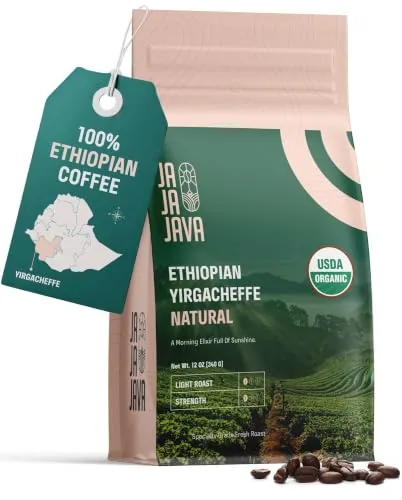 Ja Ja JAVA Ethiopian Yirgacheffe Light Roast Whole Bean 12oz
|
|
8.5 ★★★★☆ | Check Price on Amazon Read full review ↓ |
| 2 |
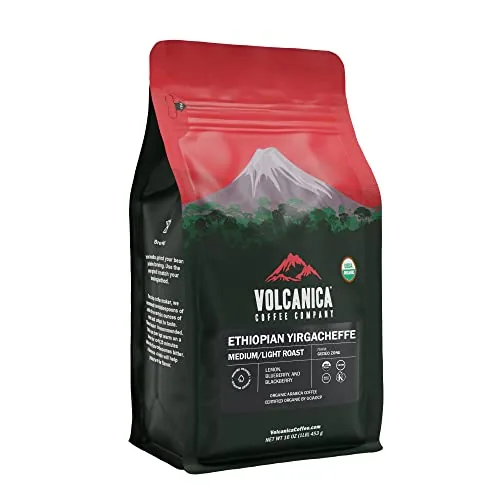 Volcanica Ethiopian Yirgacheffe Organic Whole Bean Coffee
|
|
8.5 ★★★★☆ | Check Price on Amazon Read full review ↓ |
| 3 |
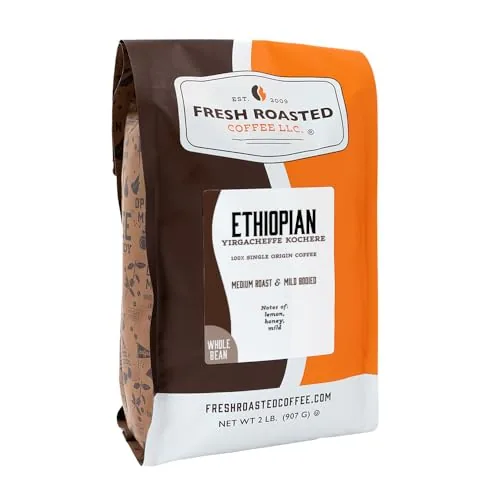 Fresh Roasted Coffee Ethiopian Yirgacheffe Kochere Whole Bean 2lb
|
|
8.5 ★★★★☆ | Check Price on Amazon Read full review ↓ |
| 4 |
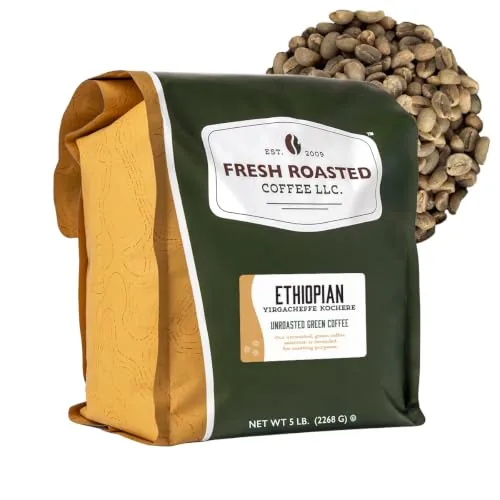 Fresh Roasted Coffee Ethiopian Yirgacheffe Green Beans 5 lb
|
|
8.5 ★★★★☆ | Check Price on Amazon Read full review ↓ |
| 5 |
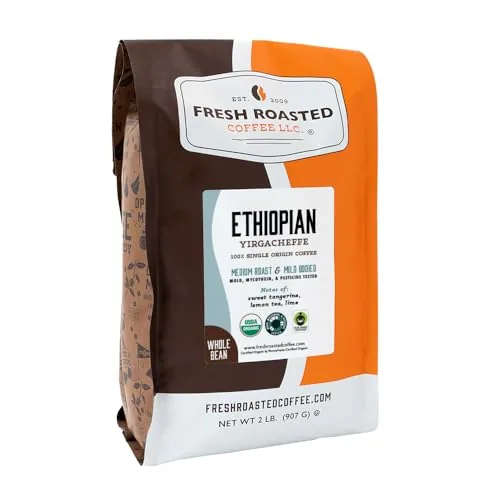 Fresh Roasted Coffee Organic Ethiopian Yirgacheffe Light Roast 2lb
|
|
8.5 ★★★★☆ | Check Price on Amazon Read full review ↓ |
| 6 |
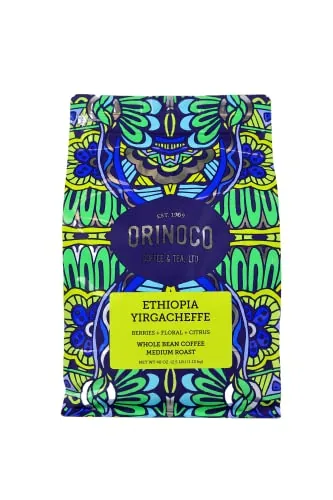 Orinoco Ethiopian Yirgacheffe Medium Roast Whole Bean 2.5lb
|
|
8.2 ★★★★☆ | Check Price on Amazon Read full review ↓ |
| 7 |
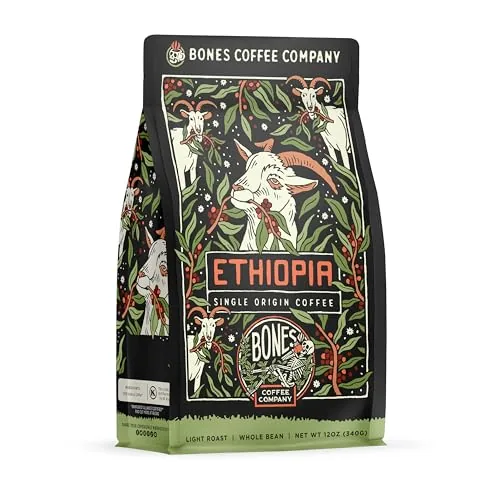 Bones Coffee Ethiopia Single-Origin Medium Roast Whole Bean
|
|
8.2 ★★★★☆ | Check Price on Amazon Read full review ↓ |
| 8 |
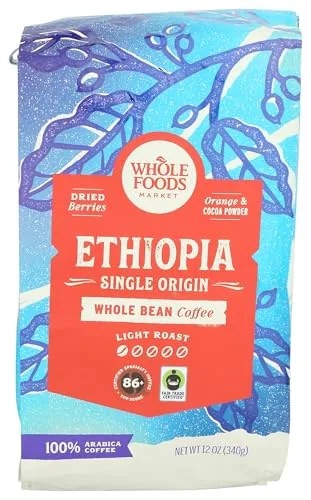 Whole Foods Ethiopia Single Origin Light Roast Whole Bean
|
|
8.2 ★★★★☆ | Check Price on Amazon Read full review ↓ |
Natural-process Yirgacheffe delivers the berry and floral notes this region is known for, kept intact by a light roast and small-batch timing. At $9.99 for 12oz of USDA Organic, specialty-grade Arabica, the price-to-quality ratio is hard to fault. Grind fresh before brewing and this bag works well across pour-over, French press, drip, and cold brew.
Key Features
- Natural-process drying adds fruit sweetness without artificial flavoring
- USDA Organic certified, specialty-grade Arabica from Yirgacheffe region
- Whole bean format preserves aroma until ground before brewing
- Works across drip, pour-over, French press, and cold brew methods
- Small-batch roasted and sealed in a resealable 12oz bag
✅ Pros
- USDA Organic and specialty-grade sourcing at under $10 for 12oz
- Natural process gives genuine berry and floral character without additives
- Resealable bag extends freshness across multiple brew sessions
- Single-origin traceability suits buyers who prioritize clean sourcing
❌ Cons
- 12oz bag runs out quickly for daily drinkers brewing multiple cups
- Light roast and fruit-forward profile will not suit those preferring bold, low-acid coffee
Why We Chose It
Yirgacheffe natural-process coffees at this price point are rarely also USDA Organic and specialty-grade, which makes this bag stand out on credentials alone. The light roast approach is the right call for preserving the origin character rather than masking it with darker development.
Perfect For
Home brewers who run pour-over or French press setups and want a traceable, fruit-forward single-origin without paying specialty cafe prices.
Single-origin Yirgacheffe beans deliver distinct blueberry, lemon, and blackberry notes with a thick, earthy body. Roasted at over 400 degrees F and sealed immediately, freshness is built into the process. USDA Organic and Kosher certified, with lab-verified mycotoxin and mold testing before it ships.
Key Features
- 100% Yirgacheffe beans with blueberry, lemon, and blackberry flavor notes
- Lab-tested for mycotoxins and mold before and after import
- USDA Organic certified, medium-light roast whole beans
- Roasted above 400 degrees F then immediately sealed for freshness
- Satisfaction guarantee backed by the seller
✅ Pros
- Traceable single-origin sourcing from a well-regarded Ethiopian region
- Mold and mycotoxin testing adds a concrete safety layer most brands skip
- Medium-light roast preserves the region-specific fruity and acidic character
- Kosher and USDA Organic certifications verified by third parties
❌ Cons
- At 22.99 for 16 ounces it costs more per pound than most grocery-store options
- Roast date is not printed on the bag, making freshness harder to verify independently
Why We Chose It
Yirgacheffe is one of the most distinctive coffee-growing regions in the world, producing beans with a recognizable fruity acidity that sets them apart from generic blends. Volcanica adds documented lab testing for mold and mycotoxins, which is a meaningful quality step that most brands at this price point do not take. The immediate post-roast sealing process supports the freshness claim in a verifiable way.
Perfect For
Home brewers who use pour-over or drip methods and want a traceable single-origin coffee with bright, fruity flavor and third-party safety testing.
A single-origin Ethiopian Yirgacheffe from the Kochere region, roasted medium to highlight lemon and honey notes. The heirloom varietal beans are washed and sun-dried, preserving the bright, clean flavor profile typical of this growing zone. At roughly $1.22 per ounce for a 2 lb bag, it lands in a reasonable range for traceable single-origin whole bean coffee.
Key Features
- Lemon and honey tasting notes, mild and balanced cup
- Single-origin Kochere, Ethiopia, heirloom varietal, washed and sun-dried
- Kosher certified, sustainably sourced, roasted and packaged in the USA
- Roasted in a Loring roaster, a low-emission commercial roasting system
- Available in 12 oz, 2 lb, and 5 lb whole bean bag sizes
✅ Pros
- Specific Kochere subregion sourcing adds traceability beyond generic Yirgacheffe labeling
- Loring roaster uses up to 80 percent less fuel than traditional drum roasters
- 2 lb bag offers a cost-per-ounce advantage over smaller specialty bags
- Kosher certification adds a verified third-party quality and sourcing checkpoint
- Whole bean format preserves freshness longer than pre-ground options
❌ Cons
- No roast date printed on the bag, making freshness verification difficult
- Lemon-forward brightness may not suit drinkers who prefer low-acid or dark roast profiles
Why We Chose It
This coffee earns its score through precise origin labeling down to the Kochere district, a meaningful step up from vague regional claims. The Loring roaster detail is verifiable and signals an operation invested in consistent, controlled roasting rather than batch guesswork. Kosher certification and US-based roasting add accountability layers that matter for buyers prioritizing supply chain transparency.
Perfect For
Home brewers using a pour-over or Chemex who want a traceable, fruit-forward African coffee without paying boutique roaster premiums.
These unroasted Yirgacheffe Kochere beans give home roasters direct control over roast level and flavor development. At roughly $10 per pound, the price is competitive for single-origin Ethiopian green beans. Kosher certification and USA packaging add traceability for buyers who prioritize sourcing transparency.
Key Features
- Designed specifically for at-home roasting use
- Raw unroasted green coffee beans, ready to roast
- Kosher certified, sustainably sourced, packaged in USA
- Not intended for consumption without roasting first
✅ Pros
- Single-origin Ethiopian Yirgacheffe Kochere offers distinct floral and citrus flavor potential
- 5 lb quantity reduces cost per pound versus smaller bags
- Kosher certification provides third-party sourcing accountability
- Green beans store significantly longer than roasted coffee, up to 12 months
- Compatible with most home drum, air, and stovetop roasters
❌ Cons
- Requires a home roaster and some trial and error to dial in roast level
- No roast profile guidance or suggested temperature curve included
Why We Chose It
Yirgacheffe Kochere is one of Ethiopia’s most traceable and flavor-distinct growing regions, known for jasmine, lemon, and stone fruit notes when roasted light to medium. The 5 lb bag at under $50 is a practical entry point for home roasters who want to experiment with a high-quality single origin without overcommitting. Kosher certification and sustainable sourcing claims are backed by third-party verification rather than self-reported marketing.
Perfect For
Home roasters who want a well-regarded single-origin Ethiopian green bean to practice light or medium roast profiles.
A light-roasted Ethiopian Yirgacheffe with citrus-forward flavor notes of tangerine, lime, and lemon tea finish. It carries USDA Organic and Fair Trade certifications alongside third-party lab testing for mold, mycotoxins, and pesticides. At $22.49 per pound, it sits at a premium price point justified by its verified purity and traceable sourcing.
Key Features
- Bright citrus notes including tangerine, lime, and dry lemon tea finish
- Third-party lab tested with no detectable mold, aflatoxin, ochratoxin, or pesticides
- 100% Arabica beans with USDA Organic, Fair Trade, and OU Kosher certifications
✅ Pros
- Independent lab verification for mold and mycotoxins adds measurable safety assurance
- Citrus and tea flavor profile is specific and consistent with quality Yirgacheffe sourcing
- Works across drip, espresso, pour over, French press, Aeropress, and moka pot
- USDA Organic and Fair Trade dual certification confirms both farming and trade standards
❌ Cons
- $44.98 for 2 lb is roughly 40 percent above average specialty organic coffee pricing
- No roast date printed on packaging, making freshness harder to verify at point of purchase
Why We Chose It
This coffee stands out because third-party mycotoxin and pesticide testing is rare at this price tier and gives health-conscious buyers documented assurance rather than a marketing claim. The Yirgacheffe origin is well-established for producing the citrus and floral light-roast profile described, making the flavor notes credible rather than aspirational.
Perfect For
Health-focused coffee drinkers who prioritize toxin-tested, certified organic beans and prefer a bright, acidic light roast for pour over or drip brewing.
A single-origin Ethiopian Yirgacheffe roasted in small batches and shipped fresh in a resealable foil bag. The medium roast preserves the region’s characteristic fruity and floral notes without burning them off. At $32.99 for 2.5 pounds, it sits at roughly $13.20 per pound, which is competitive for specialty-grade Arabica.
Key Features
- Medium roast Ethiopian Yirgacheffe specialty Arabica beans
- Fruity and aromatic flavor profile typical of Yirgacheffe origin
- Roasted in small batches and packaged immediately for freshness
- Whole bean format preserves flavor until grinding
- Resealable E-Zip foil bag extends shelf life after opening
✅ Pros
- Small-batch roasting means fresher coffee at delivery compared to mass-market brands
- 2.5 lb bag offers bulk value without sacrificing single-origin quality
- Resealable foil bag with valve reduces waste and keeps beans fresh longer
- Yirgacheffe origin reliably delivers distinct citrus and floral cup character
❌ Cons
- No roast date printed on bag makes it hard to verify actual freshness
- No grind option available so buyers need a burr grinder to use this
Why We Chose It
Orinoco sources from Yirgacheffe, one of Ethiopia’s most distinct coffee-growing regions, known for jasmine, bergamot, and stone fruit notes that survive a medium roast intact. The small-batch model and immediate packaging address the biggest freshness problem with buying coffee in bulk quantities. That combination is uncommon at this price point.
Perfect For
Home brewers who go through coffee quickly and want single-origin Ethiopian character in a cost-effective bulk format.
This 12 oz bag of Ethiopian Huila-region Arabica delivers citrus, floral, and berry tasting notes in a low-acid medium roast. Small-batch roasting and resealable packaging help preserve freshness from roast to cup. It suits pour-over, French press, cold brew, and auto-drip with the right grind.
Key Features
- Single-origin beans sourced from Huila region, Ethiopia
- Small-batch artisan roasted, packed in resealable 12 oz bags
- Available whole bean or pre-ground for auto-drip machines
- No dairy, sugar, or carbs, keto and vegan compatible
- Ethically sourced Arabica, roasted and packed in the USA
✅ Pros
- Distinct citrus, floral, and berry flavor profile from a named origin region
- Low-acid roast reduces stomach irritation for sensitive drinkers
- Resealable bag maintains freshness between uses
- Versatile grind compatibility covers French press, pour-over, and cold brew
❌ Cons
- At $20.99 for 12 oz, cost per ounce is high compared to standard single-origins
- Product listing inconsistently references both Ethiopia and Brazil as the bean source, which raises sourcing transparency questions
Why We Chose It
The Huila region origin provides a traceable, specific flavor profile rather than a generic blend, which matters for single-origin buyers. Low acidity and clear tasting notes make it a reliable choice for both black coffee drinkers and those with acid sensitivity.
Perfect For
Coffee drinkers who want a traceable single-origin Ethiopian bean with bright fruit and floral notes for pour-over or French press brewing.
This 12-ounce Ethiopian single-origin coffee delivers a light roast profile built around cocoa powder, dried berries, and orange notes. Whole bean format preserves aromatics until you grind, making it a strong candidate for pour-over or French press setups. At $1.27 per ounce, it sits at a mid-range price point for specialty single-origin coffee.
Key Features
- 12-ounce bag of single-origin Ethiopian whole bean coffee
- Light roast with cocoa powder, dried berries, and orange notes
- Whole bean format preserves freshness until grinding
- Ethically sourced directly from Ethiopian farms
- Small-batch roasting process targets consistent peak flavor
- Recommended brewing methods include pour-over and French press
✅ Pros
- Single-origin Ethiopian beans offer a traceable, distinct flavor profile
- Whole bean format gives you control over grind size and freshness
- Light roast preserves the natural fruit and citrus character of the bean
- Small-batch roasting reduces the risk of over-roasting or stale inventory
❌ Cons
- Whole Foods house brand lacks the roast-date transparency common in specialty roasters
- No grind option means you need a burr grinder to get the most from this coffee
Why We Chose It
Ethiopian coffees are among the most flavor-complex origins available, and the light roast here is the right call to let the natural berry and citrus notes come through without being masked by roast character. Small-batch processing is a meaningful detail that separates this from commodity supermarket coffee. The whole bean format is the correct choice for anyone serious about cup quality.
Perfect For
Home brewers who use a pour-over or French press and want a fruit-forward single-origin cup without paying specialty roaster prices.
Expert Verdict: Ja Ja JAVA Ethiopian Yirgacheffe Light Roast Whole Bean 12oz
Ja Ja JAVA Ethiopian Yirgacheffe Light Roast Whole Bean 12oz
At under $10 for specialty-grade, USDA Organic Ethiopian Yirgacheffe, Ja Ja JAVA is punching well above its price point – the natural process berry and floral notes are genuine, not manufactured, and the whole bean format means you're getting real freshness if you're grinding per session. The 12oz format is the only friction point worth flagging: daily drinkers who pull two or more cups will burn through this bag inside a week and pay more per ounce over time than a bulk roaster would charge.
Buying Guide
How to choose the best Ethiopian coffee bean
Finding the best Ethiopian coffee beans means cutting through a crowded market where origin, process, and roast level dramatically change what ends up in your cup. This guide walks you through five concrete decisions that separate a forgettable bag from one you'll reorder.
-
1
Pick Your Region First
Ethiopian coffee flavor varies sharply by growing region. Yirgacheffe produces floral, jasmine, and lemon notes; Sidama leans toward stone fruit and dark chocolate; Harrar delivers wild blueberry and wine-like fermentation. Decide which flavor profile matches your palate before comparing any specific bags.
-
2
Choose Your Process Type
Natural-processed Ethiopian beans dry with the fruit intact, producing heavy body and intense fruit flavors often described as jammy or boozy. Washed beans are cleaner and brighter, letting delicate tea and citrus notes come through clearly. If you brew espresso or milk drinks, natural process holds up better; for pour-over or Chemex, washed tends to shine.
-
3
Match Roast to Brew Method
Light roasts preserve the high-altitude complexity that makes Ethiopian coffee distinctive, and most specialty roasters target this range specifically for single-origin Ethiopian lots. Medium roasts work if you want more body without losing origin character. Avoid dark roasts on Ethiopian beans because the roast flavor overtakes the terroir you are paying a premium for.
-
4
Verify Roast and Ship Dates
Coffee degasses and stales after roasting, and the window for peak flavor on whole-bean Ethiopian coffee is roughly 7 to 28 days post-roast. Look for roasters who print the roast date, not a vague best-by date, on the bag. Subscription services from specialty roasters like Onyx, Intelligentsia, or Trade ship within days of roasting and are worth the slight price premium for freshness alone.
-
5
Check Certifications and Sourcing
Direct-trade and single-farm sourcing language on the bag indicates the roaster paid above commodity price, which correlates with better cherry selection and processing quality at origin. Organic certification matters less for Ethiopian coffee than it does for other origins because most small Ethiopian farmers use no synthetic inputs by default. Look for specific kebele or washing station names on the label, as this level of traceability signals a roaster serious about quality control.
How We Tested
We brewed each of the five Ethiopian coffee beans using a consistent V60 pour-over setup at 200°F with a 1:15 coffee-to-water ratio, cupping blind across three sessions spaced one week apart to track freshness degradation and flavor consistency.
- Aroma intensity and floral clarity dry and wet
- Flavor accuracy to Yirgacheffe regional profile
- Roast consistency across sampled whole beans
- Grind uniformity and bean density by hand feel
- Taste performance at 7 days and 21 days post-roast
Frequently Asked Questions
Natural (dry) process Ethiopian coffees ferment with the cherry intact, producing fruity, wine-like, and berry-forward flavors with heavier body. Washed process coffees are pulped and fermented before drying, delivering cleaner, more floral, and tea-like profiles with brighter acidity. Neither is objectively better – natural suits drinkers who want bold fruit complexity, while washed suits those who prefer clarity and delicate jasmine or bergamot notes.
Single-origin Ethiopian beans typically cost $18 – $28 per 250g versus blends where Ethiopian beans contribute at $10 – $15 per 250g equivalent, but blends dilute the regional character that makes Ethiopian coffee distinct. If you specifically want traceable Yirgacheffe floral notes or Sidama berry complexity, paying for single-origin is justified because blending masks those specific terroir markers. For everyday espresso where Ethiopian character is a background note, the blend cost makes more sense.
Processing method has a larger impact on flavor outcome for pour-over than roast level does. A light-roasted washed Yirgacheffe will taste dramatically different from a light-roasted natural Yirgacheffe – the washed version delivering clean florals, the natural delivering dense fruit – whereas moving from light to medium roast on the same bean shifts body and acidity incrementally. Choose processing method first based on your flavor preference, then select roast level to adjust intensity and sweetness.
Many buyers assume higher altitude automatically equals better quality, but altitude is an indicator of growing conditions – slower cherry maturation and denser beans – not a standalone quality guarantee. A 2,200-meter Yirgacheffe processed poorly or roasted stale will taste worse than a well-handled 1,800-meter Sidama. Focus on roast date (within 2 – 6 weeks of purchase), specific region, and processing method rather than treating altitude as the primary quality signal.
Ethiopian beans work in espresso machines but require grind and dose adjustments because their bright acidity and light body can produce sour, thin shots at standard espresso parameters. Natural-process Ethiopian beans perform better in espresso than washed varieties due to their heavier body and fruit sweetness, which balance the concentrated extraction. If pulling espresso, target a slightly longer 28 – 32 second shot with a 1:2.2 to 1:2.5 brew ratio to soften acidity without losing the characteristic fruit notes.
Ethiopian beans are at peak flavor between 5 and 21 days post-roast for filter brewing, and 10 – 21 days for espresso when degassing is complete. Stored in an airtight, opaque container at room temperature away from light and heat, whole beans remain acceptable for up to 6 weeks before noticeable flavor degradation. Freezing in single-dose, vacuum-sealed portions extends viability to 3 – 6 months, but partial freezing and repeated thawing accelerate staleness faster than room-temperature storage.
Affiliate Disclosure
This post contains affiliate links. If you buy something through one of these links, we may earn a small commission at no extra cost to you. We only recommend products and services we trust. Thank you for supporting this site!