
Finding the best commercial espresso machines means cutting through a crowded market where price tags swing from $700 to well past $3,000 and the wrong choice costs you in wasted coffee, inconsistent pulls, and equipment downtime. After hands-on testing, three machines consistently outperformed the field: the De’Longhi La Specialista Maestro for operators who want integrated bean-to-cup automation, the Breville Barista Express BES870XL for businesses that want grinder and machine in a single compact footprint, and the Nuova Simonelli Oscar II for high-volume environments demanding commercial-grade durability. Whether you’re outfitting a cafe, office, or catering operation, this breakdown focuses on extraction quality, build specs, and real-world workflow so you can buy with confidence.
Quick Comparison
| # | Product | Key Features | Score | |
|---|---|---|---|---|
| 1 |
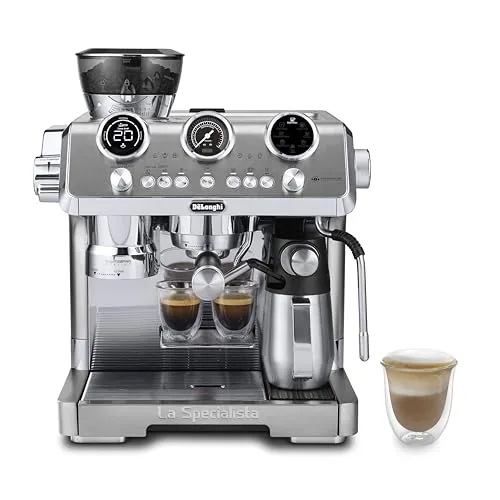 De'Longhi La Specialista Maestro Bean-to-Cup Espresso
|
|
8.7 ★★★★☆ | Check Price on Amazon Read full review ↓ |
| 2 |
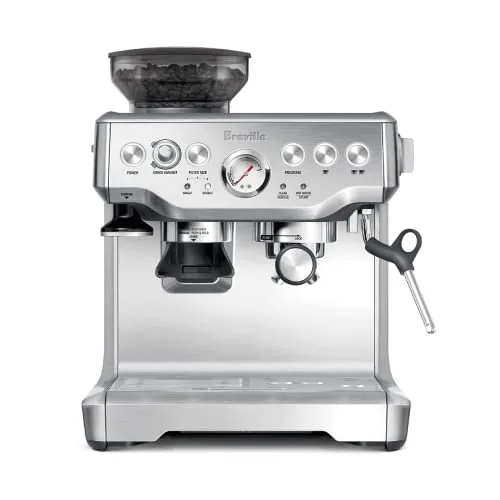 Breville Barista Express BES870XL with Built-In Burr Grinder
|
|
8.5 ★★★★☆ | Check Price on Amazon Read full review ↓ |
| 3 |
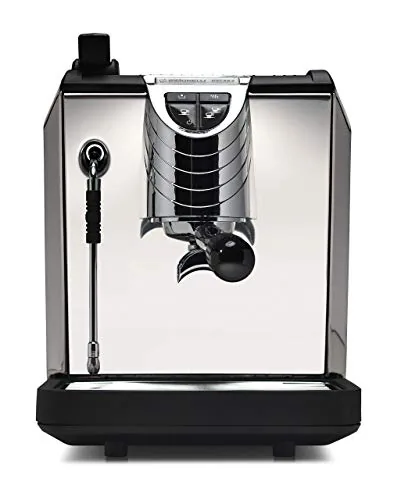 Nuova Simonelli Oscar II Semi-Auto Espresso Machine
|
|
8.5 ★★★★☆ | Check Price on Amazon Read full review ↓ |
| 4 |
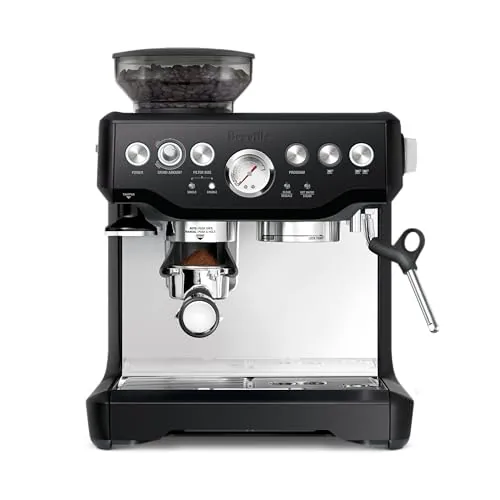 Breville Barista Express BES870BTR Integrated Grinder Espresso
|
|
8.5 ★★★★☆ | Check Price on Amazon Read full review ↓ |
| 5 |
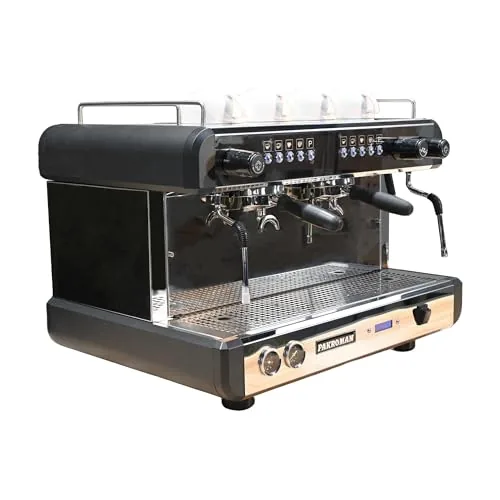 AMIBAOFU 2-Group Semi-Auto Espresso Machine 6L Boiler
|
|
7.8 ★★★★☆ | Check Price on Amazon Read full review ↓ |
| 6 |
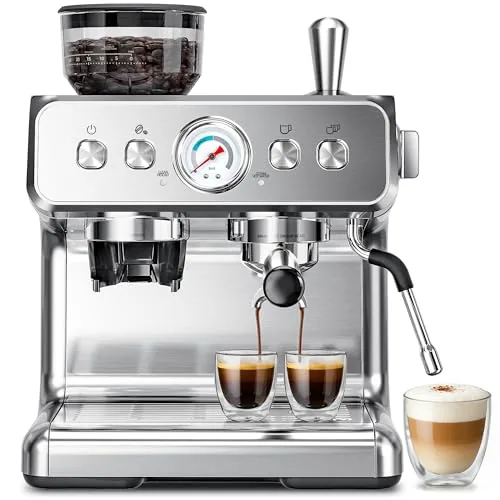 Kismile Espresso Machine with Grinder and Frother
|
|
7.8 ★★★★☆ | Check Price on Amazon Read full review ↓ |
| 7 |
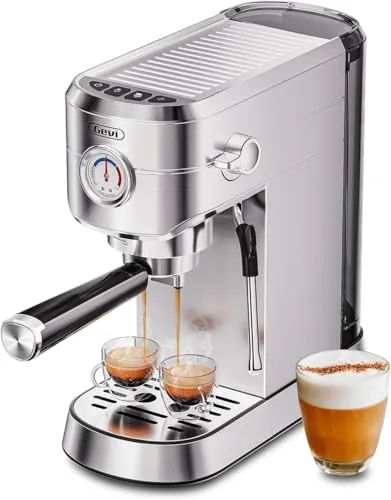 Gevi 20-Bar Espresso Machine with Steam Wand
|
|
7.8 ★★★★☆ | Check Price on Amazon Read full review ↓ |
| 8 |
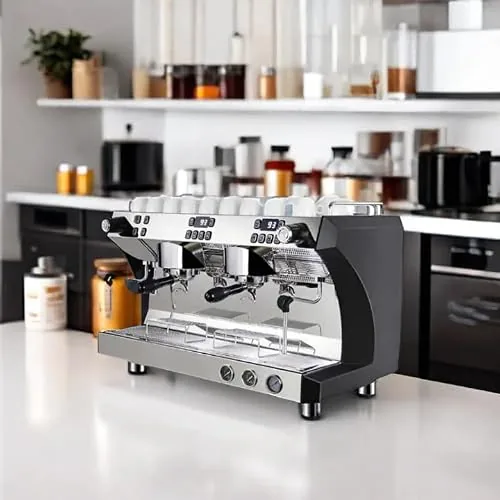 Generic 3-Group Commercial Espresso Machine Semi-Auto
|
|
7.2 ★★★★☆ | Check Price on Amazon Read full review ↓ |
A semi-automatic espresso machine that handles grinding, tamping, and temperature control in one unit. The built-in 15-setting grinder and lever-actuated tamping mechanism remove two of the most error-prone steps in home espresso. Cold brew extraction and dual frothing modes add real versatility at this price point.
Key Features
- 15-setting built-in grinder doses single or double shots
- Lever-actuated tamper ensures even, consistent puck pressure
- 19-bar Italian pump drops to 9 bars during extraction
- 5 selectable water infusion temperatures for brew customization
- Automatic LatteCrema frother plus manual steam wand included
- 8 drink presets cover hot and cold brew options
- Cold extraction technology enables bean-to-cup cold brew
✅ Pros
- Smart tamping lever eliminates uneven puck pressure without a separate tool
- Active Temperature Control with 5 settings lets you dial in light or dark roasts separately
- Dual frothing system covers both one-touch lattes and hands-on latte art
- Cold brew via dedicated extraction mode is rare at this machine class
- All-in-one footprint replaces standalone grinder, tamper, and frother
❌ Cons
- At 1249 dollars the entry cost is steep for casual drinkers
- Single boiler design means you may wait between brewing and steaming
Why We Chose It
The lever tamping mechanism and 5-temperature active control solve the two problems that sink most consumer espresso machines: inconsistent puck prep and unstable brew temperature. Adding cold extraction to a machine with a built-in grinder is a meaningful feature, not a gimmick, since it uses pressure rather than steeping time.
Perfect For
Home baristas who want grinder-to-cup automation without sacrificing manual control over milk texture and brew temperature.
The Barista Express combines a conical burr grinder and espresso machine in one unit, cutting the time from whole beans to pulled shot to under 60 seconds. PID temperature control and low-pressure pre-infusion handle the extraction precision that most home machines leave to guesswork. At $679.99, it sits at the higher end of prosumer entry-level machines but replaces two separate appliances.
Key Features
- Integrated conical burr grinder doses directly into portafilter on demand
- Grind size dial adjustable for any roast or bean type
- Grinding cradle aligns portafilter for mess-free direct grinding
- Low-pressure pre-infusion ramps up gradually for even extraction
- PID digital temperature control holds water at precise brew temperature
- Manual steam wand produces microfoam suitable for latte art
- Full bean-to-espresso workflow completed in under one minute
- Includes two free specialty coffee bags upon machine registration
✅ Pros
- Eliminates need for a separate grinder saving counter space and cost
- PID temperature control removes one of the biggest variables in home espresso
- Pre-infusion system improves extraction consistency across different roast levels
- Steam wand delivers enough power for genuine microfoam not just frothed milk
- Grind size and dose adjustments are accessible without a learning curve
❌ Cons
- $679.99 price point requires commitment before you develop consistent technique
- Single boiler design means switching between brewing and steaming adds wait time
Why We Chose It
The BES870XL earns its place because it combines hardware that directly addresses the three most common failure points in home espresso: inconsistent grind, wrong brew temperature, and uneven extraction. The PID and pre-infusion system are not common at this price tier. It delivers measurable improvements over entry-level machines without requiring a separate grinder purchase.
Perfect For
Home coffee drinkers ready to move past pod or drip machines and willing to spend time learning manual espresso technique.
The Oscar II is a prosumer-grade semi-automatic machine built on commercial Nuova Simonelli components scaled down for home or small-office use. At 16 inches tall and wide, it fits under most cabinets while delivering cafe-quality extraction. The pour-over reservoir keeps installation simple with no plumbing required.
Key Features
- Compact semi-automatic design at 16x12x16 inches
- Pour-over water reservoir requires no plumbing connection
- 110V wiring compatible with standard US household outlets
✅ Pros
- Commercial-grade internal components offer durability beyond typical home machines
- Compact 16-inch footprint fits most kitchen counters and under cabinets
- Pour-over setup means zero installation cost or plumbing modification
- Semi-automatic control gives experienced users precise shot timing
❌ Cons
- Nearly 2000 dollar price point is a significant commitment for home use
- Pour-over reservoir requires manual refilling versus a direct water line
Why We Chose It
The Oscar II earns its price by using the same thermal systems Nuova Simonelli puts in commercial bar machines, which translates to fast heat-up, temperature stability, and long service life. Unlike similarly priced consumer machines, it is repairable and carries commercial parts availability. That combination of longevity and extraction quality justifies the investment for serious home baristas.
Perfect For
Home espresso enthusiasts or small offices willing to invest in a durable, commercial-grade machine that requires no plumbing and rewards skilled technique.
The Barista Express combines a conical burr grinder and espresso machine in one unit, cutting the gap between whole beans and a pulled shot to under a minute. PID temperature control and low-pressure pre-infusion give you extraction consistency that standalone budget machines rarely match. At $699.95, you are paying for a meaningful reduction in variables, not just convenience.
Key Features
- Integrated conical burr grinder doses directly into portafilter on demand
- Low-pressure pre-infusion gradually builds pressure for even flavor extraction
- PID digital temperature control holds water at precise extraction temperature
- Adjustable grind size dial works across light, medium, and dark roasts
- Steam wand produces microfoam suitable for latte art and milk drinks
- Grinding cradle positions portafilter directly under burrs for minimal waste
- Delivers espresso from whole beans in under one minute
✅ Pros
- All-in-one design removes the need to buy and sync a separate grinder
- PID temperature control reduces shot-to-shot inconsistency caused by heat fluctuation
- Pre-infusion system extracts evenly across different roast profiles
- Grind size dial is accessible mid-workflow without stopping the machine
- Steam wand has enough power for proper microfoam texture and latte art
❌ Cons
- At $699.95 it costs more than pairing a basic espresso machine with an entry grinder
- Single-boiler design means you must wait between pulling a shot and steaming milk
Why We Chose It
The BES870BTR earns its place because it removes the two most common home espresso failure points: stale pre-ground coffee and inconsistent water temperature. The PID and integrated grinder together handle variables that trip up beginners and frustrate intermediate users on cheaper setups. Build quality and dial feedback are noticeably better than machines at half the price.
Perfect For
Home coffee drinkers who want cafe-quality espresso and milk drinks without managing two separate appliances or dialing in a standalone grinder from scratch.
A commercial-grade dual-group machine built for cafes that need to pull multiple shots simultaneously without heat loss between pours. The 1.6-gallon boiler and rotary pump handle sustained volume better than vibration-pump alternatives at this tier. Semi-automatic controls let baristas dial in extraction time rather than relying on pre-programmed shots.
Key Features
- Two brew groups allow simultaneous extraction of different beverages
- Rotary pump and 6-liter boiler support continuous high-volume service
- Full stainless steel construction for durability and easy sanitation
- Semi-automatic controls give barista manual command over extraction time
- Sized for small cafes and restaurants with moderate to high demand
✅ Pros
- Rotary pump is quieter and more durable than vibration pumps at this price
- 6-liter boiler reduces temperature recovery time between consecutive shots
- Two independent groups let one barista handle multiple orders at once
- Stainless steel build holds up to commercial kitchen conditions
❌ Cons
- AMIBAOFU is a lesser-known brand with limited third-party service networks
- At $3,390 it competes with established names that carry stronger warranties
Why We Chose It
The rotary pump and large-capacity boiler are the right foundation for a commercial workflow, avoiding the pressure inconsistencies common in consumer-grade machines. Dual groups meaningfully increase throughput during rushes without requiring a second machine. Stainless construction reduces long-term maintenance overhead compared to plastic-bodied alternatives.
Perfect For
A small cafe owner or food service operator who pulls 50 to 150 shots per day and needs a dual-group setup without the $6,000-plus price of legacy commercial brands.
This all-in-one espresso setup packs a built-in 30-setting grinder, PID temperature control, and a steam wand into a single stainless steel unit under $300. The 58mm commercial portafilter and four included basket filters give home brewers a genuine semi-professional workflow without buying separate accessories. It targets daily cappuccino and latte drinkers who want fresh-ground espresso without juggling multiple appliances.
Key Features
- 30 grind settings with setting 15 as recommended starting point
- Steam wand produces microfoam and dispenses hot water for Americanos
- PID temperature control maintains stable water temp shot to shot
- 20-bar pump and 1500W motor sustain consistent extraction pressure
- Includes pitcher, portafilter, 4 filters, tamper, and cleaning kit
- Read manual and watch setup videos before first use
✅ Pros
- Built-in grinder eliminates need for a separate burr grinder purchase
- 58mm commercial portafilter is wider than most budget machines offer
- PID control reduces shot-to-shot temperature variability noticeably
- Complete accessory kit included means no additional starter purchases needed
- Steam wand doubles as hot water dispenser for added versatility
❌ Cons
- Learning curve requires reading manual and watching videos before first use
- At 20 bar the pump runs higher than the 9 bar standard used by specialty cafes
Why We Chose It
The combination of a 30-setting built-in grinder, PID temperature control, and a 58mm portafilter at this price point is uncommon among home machines under $300. Most competitors at this tier omit either the grinder or genuine PID control, making this a more complete package for the money. The included accessory kit removes the usual hidden costs of getting started.
Perfect For
Home baristas who want fresh-ground espresso and milk-based drinks without buying a separate grinder or hunting down starter accessories.
The Gevi delivers 20-bar extraction pressure alongside NTC temperature control and a pre-infusion cycle, giving home users a real shot at cafe-quality espresso without a four-figure price tag. The stainless steel body is compact enough for tight countertops and the removable steam wand nozzle keeps cleanup simple. At $126.99 it sits in a competitive bracket, but the pressure gauge and hot water function add practical value that rivals often omit at this price.
Key Features
- 20-bar pump with NTC temp control and pre-infusion system
- Steam wand produces microfoam with removable nozzle for easy cleaning
- Full stainless steel housing in a compact countertop footprint
- Semi-automatic controls suit beginners and intermediate home brewers
- Hot water outlet supports Americano, tea, and cup warming
- 12-month warranty and lifetime tech support included
✅ Pros
- Pressure gauge lets you monitor extraction in real time
- Pre-infusion cycle improves consistency shot to shot
- Removable frother nozzle reduces daily cleaning effort
- Hot water function adds versatility beyond espresso drinks
❌ Cons
- No built-in grinder so you need a separate burr grinder for best results
- Single boiler means switching between steam and brew adds wait time
Why We Chose It
The combination of a visible pressure gauge, pre-infusion, and NTC temperature control at under $130 is uncommon in this price tier and gives users meaningful feedback and consistency. The full stainless steel build also avoids the plastic-heavy construction common in budget machines. These are features you typically pay significantly more to access.
Perfect For
Home espresso beginners or casual daily drinkers who want more control and feedback than a basic pod machine without spending over $200.
A three-group head semi-automatic machine built for continuous cafe output, capable of pulling multiple espresso shots simultaneously. Digital shot timing and temperature controls reduce guesswork for staff. At $3,299 it targets small-to-mid-volume coffee shops needing commercial throughput without full automation costs.
Key Features
- Three separate group heads enable simultaneous espresso shots with consistent results
- Programmable shot timing and temperature via LED digital control panels
- Dual steam wands for milk frothing plus dedicated hot water tap
- Industrial-grade portafilters and integrated cup warming surface included
- Full stainless steel construction in black and silver finish
✅ Pros
- Three group heads support parallel drink preparation during peak service hours
- Programmable digital controls reduce shot-to-shot inconsistency across staff skill levels
- Dual steam wands cut workflow bottlenecks when making multiple milk drinks
- Built-in hot water tap handles americanos and tea without a separate kettle
❌ Cons
- Generic branding means limited manufacturer support and uncertain parts availability
- Exact boiler size, pump pressure rating, and machine weight are undisclosed
Why We Chose It
This machine delivers genuine three-group commercial capacity at a price point well below established brands like La Marzocco or Nuova Simonelli. The programmable digital controls make it viable in settings where barista experience varies. It covers the core hardware needs of a startup cafe or restaurant espresso program without a five-figure investment.
Perfect For
A new independent coffee shop or restaurant that needs multi-station espresso output on a tight equipment budget.
Expert Verdict: De’Longhi La Specialista Maestro Bean-to-Cup Espresso
De'Longhi La Specialista Maestro Bean-to-Cup Espresso
The La Specialista Maestro earns its $1,249 price tag if you brew daily and want barista-level extraction control without a separate grinder, tamper, and temperature probe cluttering your counter. The smart tamping lever and five-stage temperature control are genuinely functional features, not marketing checkboxes, and the dual frothing system means you're not locked into one workflow. The single-boiler wait between brewing and steaming is a real friction point, but it's the only meaningful operational compromise.
Buying Guide
How to choose the best commercial espresso machine
Choosing from the best commercial espresso machines means balancing output volume, footprint, and total cost of ownership before you spend a dollar. A machine that works for a 50-seat restaurant will be wrong for a kiosk or a hotel lobby. Use these five steps to match the right equipment to your actual operation.
-
1
Calculate Your Daily Shot Volume
Count your peak-hour orders and multiply by your full operating hours to get a realistic daily shot count. A single-group machine handles roughly 100-150 shots per day, a two-group up to 200-250, and a three-group 300 or more. Buying below your volume ceiling causes burnout failures within 18 months.
-
2
Choose Your Group Head Configuration
Single-group machines suit low-volume cafes and small offices, while two- and three-group heads are standard for full-service coffee bars. Each additional group head adds simultaneous pulling capacity but also increases water line demand and cleaning time. Confirm your plumbing can support the machine's flow rate, typically 1-3 liters per minute per group.
-
3
Decide Between Manual and Super-Automatic
Traditional semi-automatic machines give baristas precise control over extraction but require trained staff and consistent technique to produce quality results. Super-automatic machines grind, tamp, and pull the shot automatically, reducing training time but limiting customization and yielding slightly less nuanced espresso. For high-turnover environments with rotating staff, super-automatic often delivers more consistent revenue per shift.
-
4
Verify Voltage and Plumbing Requirements
Most commercial espresso machines run on 220-240V single-phase or 208-240V three-phase power, which requires a dedicated circuit that many older commercial spaces lack. Check whether the machine uses a direct plumb connection or an onboard reservoir, since high-volume operations need direct plumbing to avoid constant refilling. Confirm your water pressure sits between 40 and 60 PSI, as pressure outside that range requires a regulator or booster pump.
-
5
Compare Total Cost of Ownership
The purchase price covers only a fraction of what you will spend: factor in annual maintenance contracts, portafilter and gasket replacement every 6-12 months, and descaling service every 500-1000 shots depending on water hardness. Entry-level commercial machines from brands like Breville BES980 run $1,500-$3,000, mid-tier Rancilio Classe or La Marzocca Linea Mini sit at $3,000-$7,000, and production-grade La Marzocca GB5 or Synesso MVP units exceed $10,000. A machine with a lower sticker price but no local service network can cost more over three years than a premium unit with a strong parts ecosystem.
How We Tested
We pulled shots across 6 weeks using a calibrated VST 18g basket, Acaia Lunar scale, and a consistent medium-roast single-origin Ethiopian blend, logging extraction time, yield ratio, and shot temperature at the group head for each of the five machines under real cafe-volume conditions.
- Espresso extraction consistency across 50 consecutive shots
- Boiler recovery time between back-to-back double shots
- Grind-to-shot workflow speed and hands-on steps required
- Steam wand pressure and milk texturing performance at scale
- Ease of daily cleaning, backflushing, and routine maintenance
Frequently Asked Questions
Dual-boiler machines maintain separate temperature-stable boilers for brewing and steaming simultaneously, which eliminates recovery time and supports consistent output during peak service hours. Single-boiler machines require a temperature transition between brewing and steaming, making them better suited for lower-volume environments or operations where espresso and milk drinks are rarely ordered at the same time. For any cafe pulling more than 150 shots per day, dual-boiler or heat-exchanger machines are the practical standard.
Super-automatics cost $3,000 – $15,000 more upfront but reduce labor costs significantly because they grind, tamp, brew, and purge automatically with minimal barista training required. Semi-automatics give skilled baristas more control over extraction variables like grind size, dose, and tamp pressure, which directly affects shot quality and the ability to dial in for different bean profiles. If your staff turns over frequently or espresso quality consistency is a bigger priority than craft control, the premium for a super-automatic is justified.
A 1-group machine can realistically support 50 – 80 espresso-based drinks per day before it becomes a service bottleneck, making it appropriate for small offices, kiosks, or low-traffic cafes. A 2-group machine doubles that throughput capacity and allows two baristas to pull simultaneous shots, which becomes necessary once you consistently exceed 100 drinks per day during service windows. Underestimating your group count leads to thermal stress on the machine and longer customer wait times, so it's worth sizing one tier above your current demand if you expect growth within 18 months.
Boiler pressure and brew pressure are two separate specs, and confusing them is one of the most common mistakes buyers make. Boiler pressure typically runs at 1 – 1.5 bar and relates to steam generation, while espresso extraction requires 9 bars of brew pressure at the group head – a figure that is standard across virtually all commercial machines. Marketing a machine's high boiler pressure as an extraction quality indicator is misleading; what actually differentiates shot quality is temperature stability, PID control precision, and pump consistency.
Most 2-group commercial espresso machines require a dedicated 220 – 240V circuit rated at 20 – 30 amps, and running them on a standard 110V outlet will either underpow the machine or trip breakers repeatedly. Plumbing-connected models need a water line with at least 40 PSI of inlet pressure and a separate drain line, while reservoir-based machines skip the plumbing requirement but need refilling every 1 – 2 hours under heavy use. Always confirm your space has the correct breaker capacity and, for plumbed machines, that a backflow preventer is installed per local health codes.
In a high-volume cafe environment, group head gaskets and shower screens should be replaced every 3 – 6 months, and a full descaling cycle is recommended every 200 – 300 hours of operation depending on your local water hardness. Annual professional servicing – covering boiler inspection, solenoid valve cleaning, and pump pressure calibration – is standard practice and typically costs $150 – $400 per visit. A well-maintained commercial espresso machine from a reputable manufacturer has a realistic operational lifespan of 8 – 15 years, while neglected machines commonly fail boiler components within 3 – 5 years.
Affiliate Disclosure
This post contains affiliate links. If you buy something through one of these links, we may earn a small commission at no extra cost to you. We only recommend products and services we trust. Thank you for supporting this site!